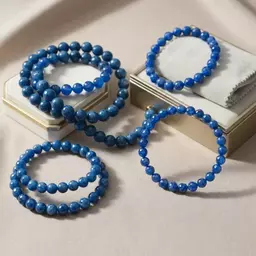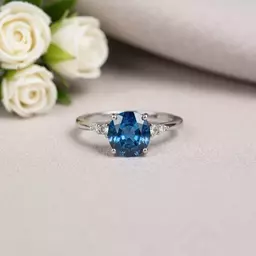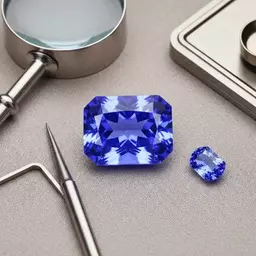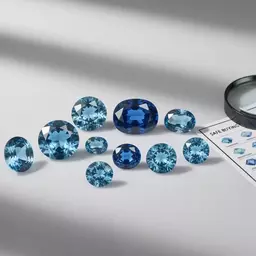

In the world of gemstones, the choice between natural and lab-created stones can profoundly influence your jewelry selection. Understanding these differences is not just about beauty; it's about sustainability, ethics, and personal values. Which gem will you choose to tell your story?
What You Will Learn
- Natural blue gemstones are formed through geological processes over millions of years, boasting unique imperfections that tell a story.
- Lab-created blue gemstones are synthesized in controlled environments, offering uniformity and a perfect appearance.
- Both types have nearly identical chemical compositions, but visual characteristics differ significantly due to inclusions in natural stones.
- Understanding the Mohs Hardness Scale helps evaluate the durability and suitability of gemstones for everyday wear.
- Natural gemstones often come with a higher price due to their rarity, while lab-created stones are typically more affordable.
- Ethical sourcing and the environmental impact of gemstone mining are crucial considerations when selecting a stone.
Natural vs. Lab-Created Blue Gemstones: A Comparative Overview
This visual highlights the key distinctions between natural and lab-created blue gemstones, covering their formation, visual characteristics, durability, and cost.
Formation Process
Natural
Geological processes, millions of years
Lab-Created
Controlled environments, advanced techniques
Visual Characteristics
Natural
Unique imperfections, inclusions, color variations
Lab-Created
Consistent color, clarity, often flawless
Durability & Quality
Natural
Mohs Scale 7-9; unique beauty, potential inclusions
Lab-Created
Fewer internal flaws, potentially more resilient
Cost & Value
Natural
Higher price due to rarity & mining effort
Lab-Created
More affordable, accessible, consistent quality
Environmental & Ethical
Natural
Mining impact, potential ethical sourcing issues
Lab-Created
Lower carbon footprint, controlled production
Consumer Choice
Natural
Investment, uniqueness, historical significance
Lab-Created
Affordability, perfection, ethical peace of mind
Understanding Natural and Lab-Created Blue Gemstones
Welcome to the fascinating world of blue gemstones! As a gemologist, I often encounter questions about the differences between natural and lab-created gemstones. Understanding these distinctions is essential, especially when you're on the journey to find the perfect piece to adorn yourself or a loved one. Let’s dive into what constitutes these two categories of stunning blue stones.
Defining Natural vs Lab-Created Gemstones
What Constitutes a Natural Blue Gemstone?
A natural blue gemstone is formed through geological processes over millions of years. These gems are mined from the Earth and are celebrated for their unique imperfections and characteristics, which tell a story of their origin. For instance, a sapphire might display inclusions that represent its natural journey through time. Isn’t it beautiful to think about the history embedded in these stones?
How Are Lab-Created Blue Gemstones Made?
In contrast, lab-created blue gemstones are synthesized in controlled environments, designed to mimic the natural stone. Using advanced techniques like the Czochralski process or hydrothermal growth, artisans create gems that have the same chemical composition as their natural counterparts. However, they typically lack the unique inclusions, giving them a perfect look that some consumers might find appealing. You can learn more about the synthesis of these stones from the Gemological Institute of America.
- Natural gemstones exhibit unique imperfections.
- Lab-created stones offer uniformity and perfection.
- Both types can display stunning beauty; it’s all about personal preference!
Understanding these differences can help you make an informed decision when selecting your next treasure from Blue Jewelry Stones! Now, let’s explore the key differences in composition and appearance.
Key Differences in Composition and Appearance
Chemical Composition: Same or Different?
When it comes to chemical composition, natural and lab-created gemstones can be nearly identical. Take blue sapphires, for example; both types consist of aluminum oxide (Al2O3) with traces of iron and titanium that give them their beautiful color. However, the subtle differences in formation can lead to variations in their properties. Each natural stone will carry its own unique fingerprints, while lab-grown varieties are often indistinguishable in terms of their elemental make-up. For a detailed comparison, refer to insights from the Gemological Institute.
Visual Characteristics: Inclusions and Color Variations
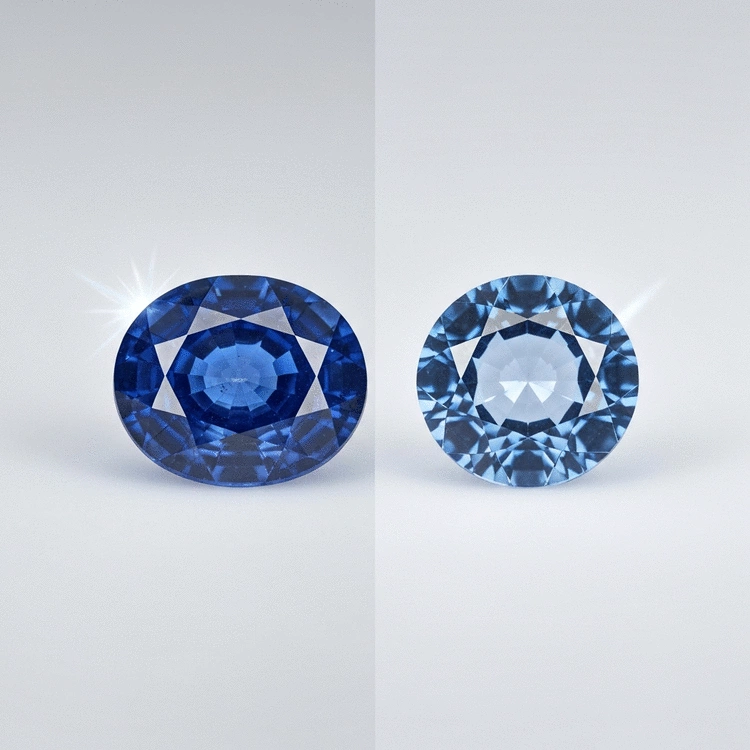
Visually, the most striking difference lies in the inclusions and color variations. Natural blue gemstones may have inclusions, which are tiny impurities that can affect their appearance. These inclusions often enhance the stone's character and allure. Conversely, lab-created stones tend to exhibit a more consistent color and clarity, which can be appealing for those who prefer a flawless look.
- Natural stones: unique imperfections and color variations.
- Lab-created stones: consistent color and clarity.
- Personal preference plays a key role in choosing between the two!
Recognizing these visual characteristics can help you appreciate the beauty of both types of gemstones. Let’s now shift our focus to evaluating durability and quality.
Evaluating Durability and Quality
Understanding the Mohs Hardness Scale
When selecting a gemstone, it’s crucial to consider its durability. The Mohs Hardness Scale rates minerals based on their scratch resistance, ranging from 1 (talc) to 10 (diamond). Most blue gemstones, including sapphires and tanzanite, rank between 7 and 9 on this scale, making them suitable for everyday wear. Understanding where your chosen gemstone falls on this scale can ensure its longevity and beauty.
Durability Differences: Natural vs Lab-Created
Although both natural and lab-created stones can be quite durable, lab-created gems often have fewer internal flaws, potentially resulting in a harder and more resilient stone. Yet, natural stones possess inherent beauty that comes from their formation process, which many enthusiasts find invaluable. As you consider which type captures your heart, think about how you plan to wear your gem.

- Natural stones may have unique beauty but might have inclusions.
- Lab-created stones can be slightly more durable due to fewer flaws.
- Both options offer incredible beauty and can last a lifetime!
Next, let’s explore popular blue gemstones that are sure to capture your interest.
Exploring Popular Blue Gemstones
A Closer Look at Blue Sapphire, Aquamarine, and Tanzanite
Among the most coveted blue gemstones are blue sapphire, aquamarine, and tanzanite. Each stone offers its unique charm and appeal. Blue sapphires are renowned for their deep, royal hues and are often associated with wisdom and royalty. Aquamarine, on the other hand, boasts a lighter, sea-blue color, exuding tranquility and calmness. Tanzanite, a newer addition to the gemstone world, showcases vibrant blue with violet undertones, making it a stunning choice for modern jewelry.
Comparing Iolite, Kyanite, and Blue Topaz
Other beautiful blue gemstones include iolite, kyanite, and blue topaz. Iolite is known for its color-changing property, shifting from blue to violet depending on the angle of light. Kyanite is recognized for its striking blue color and elongated crystals, while blue topaz is popular for its vivid hues and affordability. Each of these stones has its unique attributes, making them perfect for various settings.
- Blue Sapphire: Deep, royal color.
- Aquamarine: Light, tranquil hues.
- Tanzanite: Vibrant blue with violet undertones.
- Iolite: Color-changing beauty.
- Kyanite: Striking blue color.
- Blue Topaz: Affordable and vivid.
As you explore our collection at Blue Jewelry Stones, keep these stunning options in mind! Next, we’ll delve into the environmental and ethical considerations of your gemstone choices.
Environmental and Ethical Considerations
Carbon Footprint of Natural vs Lab-Grown Gemstones
The environmental impact of gemstones is increasingly important to today’s consumers. Natural gemstones require extensive mining, which can lead to habitat destruction and significant carbon emissions. In contrast, lab-created stones typically have a lower carbon footprint, as they are produced in controlled environments. However, it’s essential to consider the entire supply chain and how it affects our planet.
Ethical Sourcing: Why It Matters
Ethical sourcing is another crucial factor when choosing gemstones. Buying from reputable sources ensures that your gemstones are obtained in humane and sustainable ways. Many natural stones are associated with conflict and unethical labor practices. Choosing stones that are ethically sourced can not only benefit you but also contribute positively to the communities involved in their extraction.
- Natural gemstones can involve environmental and ethical issues.
- Lab-created stones generally have a smaller carbon footprint.
- Ethical sourcing helps ensure fair practices in the gemstone industry.
With these considerations in mind, let’s take a look at cost insights to help you make budget-friendly choices.
Frequently Asked Questions (FAQs)
Here are some common questions about natural and lab-created blue gemstones:
- What is the main difference between natural and lab-created gemstones?
Natural gemstones form over millions of years through geological processes and often have unique inclusions, while lab-created gemstones are synthesized in controlled environments and tend to be more uniform and flawless. - Are lab-created gemstones "fake" or less valuable?
Lab-created gemstones are not "fake" as they possess the same chemical, physical, and optical properties as their natural counterparts. Their value differs, with natural stones typically commanding higher prices due to rarity, but lab-created stones offer excellent value for their quality and ethical footprint. - Do natural and lab-created blue gemstones have the same chemical composition?
Yes, for most gemstones like sapphires, both natural and lab-created versions have nearly identical chemical compositions (e.g., aluminum oxide for sapphire). The primary differences lie in their formation process and visual characteristics. - How can I tell if a gemstone is natural or lab-created?
While visual inspection for inclusions can offer clues, distinguishing between natural and lab-created stones often requires specialized equipment and the expertise of a professional gemologist. Certification from reputable bodies can also confirm a stone's origin. - Which type of gemstone is more durable?
Both natural and lab-created gemstones can be very durable, depending on their Mohs hardness. Lab-created gems sometimes have fewer internal flaws, which can make them slightly more resilient in certain cases. However, both are suitable for everyday wear for most blue gemstones like sapphire. - Are lab-created gemstones more ethical or environmentally friendly?
Generally, lab-created gemstones tend to have a lower carbon footprint and avoid many of the ethical issues associated with traditional mining, such as habitat disruption and controversial labor practices. This makes them a preferred choice for environmentally and ethically conscious consumers.
Cost Insights: Making Budget-Friendly Choices
Price Differences Between Natural and Lab-Created Stones
When it comes to cost, natural blue gemstones often come with a higher price tag due to their rarity and the effort involved in mining. Lab-created stones, however, tend to be more affordable since they are produced in larger quantities. Understanding these price differences can help you make an informed decision that aligns with your budget.
Value for Money: Which Option to Choose?
Ultimately, the value for money you receive depends on your preferences and intentions. If you seek long-term investment and uniqueness, natural gemstones might be the way to go. Conversely, if you’re looking for a stunning piece at a more accessible price point, lab-created stones offer excellent options. As you consider your choices, think about what resonates with you!
- Natural stones often have higher prices due to rarity.
- Lab-created stones provide affordability and accessibility.
- Your choice should reflect your personal values and budget.
Now that we’ve discussed cost insights, let’s move on to identification techniques that can help you differentiate between natural and lab-created stones.
Identification Techniques for Consumers
How to Distinguish Between Natural and Lab-Created Stones
Identifying whether a gemstone is natural or lab-created can be challenging. However, there are a few techniques you can use. First, examining the stone closely for inclusions can offer clues; natural stones often have unique inclusions, while lab-created stones tend to be flawless. Additionally, a professional gemologist can perform tests to determine the stone's origin. Always seek guidance from trusted sources, like those at Blue Jewelry Stones! You can also consult resources like the American Gem Society for further information and FAQs about lab-grown gemstones.
The Role of Certification: What to Look For
Certification plays a vital role in ensuring the authenticity of your gemstone. Reputable certifying bodies provide detailed reports that outline the stone's origin, treatment, and overall quality. When purchasing a gemstone, look for certifications that guarantee its authenticity and provide peace of mind regarding your investment.
- Examine for inclusions to identify natural vs lab-created.
- Seek professional guidance from gemologists for clarity.
- Look for certifications that ensure authenticity and quality.
With identification techniques in place, let’s explore how gemstone value and appraisal work!
Understanding Gemstone Value and Appraisal
Key Factors Influencing Gemstone Pricing
Several key factors influence a gemstone's pricing, including its rarity, size, color, and clarity. Natural stones often have a premium because of their unique characteristics and scarcity. Additionally, the demand for specific types of blue gemstones can also affect prices. As you navigate your options, keep these factors in mind!
The Importance of Gemstone Certification in Value Assessment
Gemstone certification is crucial when assessing value. Certified stones provide a reliable reference for quality and authenticity, ensuring you receive a fair price. When investing in a blue gemstone, always prioritize purchasing certified stones for confidence in your investment.
- Rarity, size, and color significantly impact pricing.
- Demand for specific gems can affect market value.
- Certification is vital for ensuring authenticity and value.
Now that we’ve delved into gemstone value, let’s shift our focus to making an informed decision with a buyer's checklist.
Making an Informed Decision: A Buyer’s Checklist
Factors to Consider: Budget, Ethics, and Aesthetics
When approaching your gemstone purchase, it’s essential to consider several factors, including your budget, ethical considerations, and aesthetic preferences. Create a checklist to guide you in your decision-making process. This will ensure you choose a stone that not only looks beautiful but also aligns with your values.
Long-Term Value and Resale Potential of Gemstones
Lastly, consider the long-term value and resale potential of your chosen gemstone. Natural stones often hold value better than lab-created ones due to their rarity. However, the right lab-created gem can also be a stunning addition to your collection. Think about how you plan to use and cherish the gemstone, as this will help guide your choices.
- Assess your budget, ethics, and personal aesthetic.
- Consider long-term value and resale potential.
- Make a checklist to streamline your decision-making!
In our next section, we'll explore the latest trends in the gemstone market to help you stay informed and inspired!
Exploring the Gemstone Market Trends
Current Trends in Blue Gemstone Popularity
As a gemstone enthusiast, I love observing the trends that shape the market. Currently, blue gemstones are experiencing a surge in popularity, with consumers drawn to their vibrant colors and unique meanings. From statement jewelry to everyday pieces, blue stones are becoming a staple in many collections!
Investment Potential: Collectible vs Fashion Jewelry
Lastly, consider the investment potential of blue gemstones. While some blue gems are suitable for everyday fashion, others are highly collectible and can appreciate in value over time. As you explore your options at Blue Jewelry Stones, think about whether you want a piece that’s just for style or one that could serve as a long-term investment. The choice is yours!

- Blue gemstones are trending in fashion and collections.
- Consider the potential for appreciation when purchasing.
- Whether for style or investment, blue stones have much to offer!
With this understanding, you’re well-equipped to explore the world of blue gemstones. In our next section, we'll summarize your choices and help you engage further in your gemstone journey!
Engage with Your Choices!
As you ponder the differences between natural and lab-created blue gemstones, we want to hear from you! Which type resonates more with your values and preferences? Share your thoughts with us:
Summarizing Your Gemstone Choices: Natural vs Lab-Created
As we wrap up our exploration of blue gemstones, it’s essential to summarize the key points that will help you make an informed choice. Whether you lean towards the allure of natural gems or the accessibility of lab-created stones, understanding your preferences is crucial. Both options offer unique benefits, and knowing what resonates with you can enhance your gemstone journey!
Here are some key takeaways to consider:
- Natural gemstones provide historical significance and unique beauty, often featuring inclusions that tell a story.
- Lab-created gemstones are often more affordable and environmentally friendly, offering consistent quality.
- Decide based on your budget, ethical values, and personal style—each choice has its merits!
Understanding Your Preferences: Natural vs Lab-Created
Choosing between natural and lab-created blue gemstones can be a personal journey. Do you admire the character of a natural stone, or are you drawn to the perfection of a lab-created gem? Think about what matters most to you. For some, it’s the story behind the stone; for others, it’s the assurance of sustainability and clarity.
Reflect on the following questions:
- What is your budget for this purchase?
- How important are ethical considerations in your buying decision?
- Which aesthetic qualities do you value more—unique imperfections or flawless symmetry?
Final Thoughts on Making the Right Choice
Ultimately, there’s no right or wrong answer when it comes to choosing your gemstone. At Blue Jewelry Stones, we believe each gemstone, whether natural or lab-created, can enhance your style and express your individuality. It’s all about finding the piece that resonates with your personal journey.
As you navigate your options, remember to stay true to what feels right for you. This choice is deeply personal, and whatever you decide, we’re here to celebrate the beauty of blue gemstones with you!
Engaging with Your Gemstone Journey
Ready to start your gemstone adventure? Finding the right blue gemstone is an exciting process, and there are many avenues to explore. From browsing our curated collections at Blue Jewelry Stones to discovering local shops, there are plenty of options to suit your tastes.
Where to Find the Right Blue Gemstone for You
Here are some fantastic places to consider:
- Online retailers specializing in gemstones
- Local jewelers who offer personalized services
- Gem shows and expos where you can see stones in person
Each of these options provides a chance to experience the magic of blue gemstones firsthand.
Contacting Experts for Personalized Guidance
If you have questions or need personalized assistance, don’t hesitate to reach out! Experts can offer insights tailored to your preferences and help guide you towards your perfect stone. At Blue Jewelry Stones, we’re passionate about helping you find the right gem that reflects your style and values.
Feel free to connect with us anytime for advice, insights, or just to chat about the captivating world of blue gemstones. Let’s make this journey together! 🌟
Recap of Key Points
Here is a quick recap of the important points discussed in the article:
- Natural gemstones boast unique imperfections and historical significance, each telling a story of its origin.
- Lab-created gemstones are affordable and environmentally friendly, offering consistent quality without the unique inclusions of natural stones.
- Consider your budget, ethical values, and personal style when choosing between natural and lab-created options.
- Evaluate the durability of gemstones using the Mohs Hardness Scale; both types can be durable, but lab-created stones may have fewer flaws.
- The choice between natural and lab-created stones ultimately reflects your personal preferences and values.