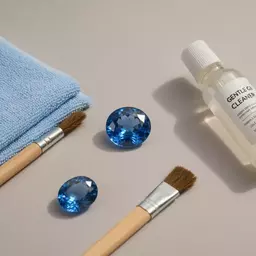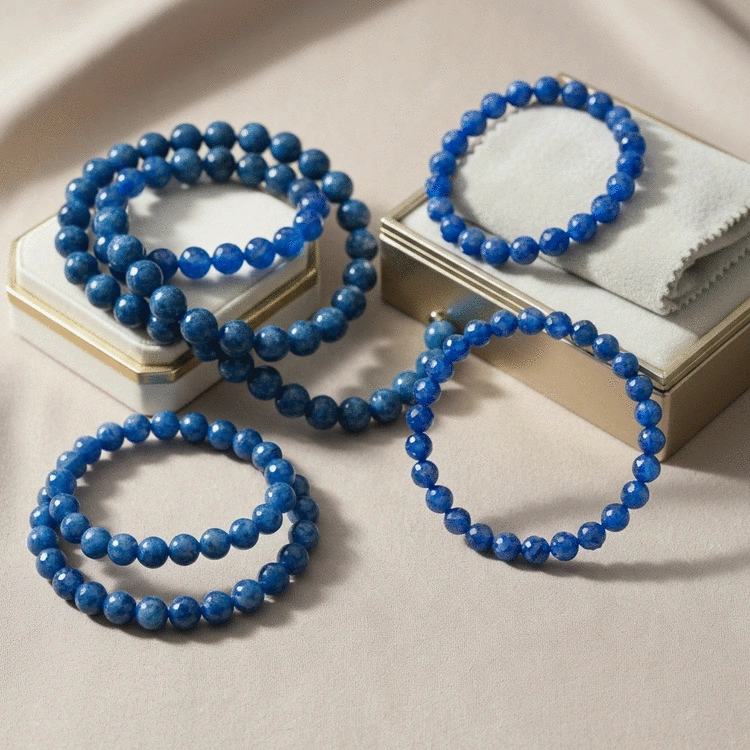

To ensure the beauty and longevity of your blue gemstone jewelry, understanding and applying the right care practices is essential. Here are the vital insights that will help you maintain your treasured pieces.
What You Will Learn
- Different blue gemstones such as sapphire, lapis lazuli, and turquoise each have unique properties affecting their care.
- Mild soap and warm water are safe cleaning solutions; avoid harsh chemicals to protect your gemstones.
- Store your jewelry separately in soft pouches or lined boxes to prevent scratches and damage.
- Regular maintenance, including inspections and clean-ups, is crucial for preserving the beauty of your jewelry.
- Different gemstones require tailored care; for example, avoid soaking lapis lazuli and turquoise in water.
- Be cautious of environmental factors like humidity and direct sunlight, which can affect the integrity of your gemstones.
Blue Gemstone Care Essentials
Understanding the unique properties and applying appropriate care practices are crucial for maintaining the beauty and longevity of your blue gemstone jewelry.
Gemstone Properties: Hardness & Porosity
- Sapphire: Mohs 9, Very durable.
- Lapis Lazuli: Mohs 5-6, Porous, Sensitive.
- Turquoise: Mohs 5-6, Very porous, Delicate.
Cleaning Techniques by Gemstone
- Sapphire: Mild soap, warm water. Safe for ultrasonic.
- Lapis Lazuli: Damp cloth. Avoid soaking.
- Turquoise: Soft cloth, mild soap. Never soak.
Storage Best Practices
- Separate: Soft pouches, lined boxes.
- Environment: Cool, dry place. Avoid direct sunlight.
- Humidity: Use silica gel packets if needed.
Common Mistakes to Avoid
- Chemicals: Harsh cleaners, abrasives.
- Exposure: Direct sunlight, excessive heat.
- Scratches: Improper handling, mixing jewelry.
Essential Care Practices for Blue Gemstone Bracelets and Bangles
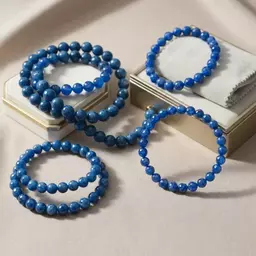
Taking care of your blue gemstone bracelets and bangles isn’t just about keeping them clean; it's about honoring the natural beauty and symbolism behind these stunning stones. Each type of blue gemstone has its own unique qualities, making it essential to understand how best to care for them. Let’s dive into the fascinating world of blue gemstones and explore the best practices for maintaining your treasured pieces!
Understanding the Unique Qualities of Blue Gemstones
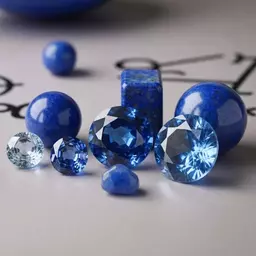
When it comes to blue gemstones, the variety is as captivating as their hues. Popular choices like sapphire, lapis lazuli, and turquoise each bring their own charm and history. Understanding these qualities is key to ensuring your jewelry remains in excellent condition. Here’s a quick snapshot of these beautiful stones:
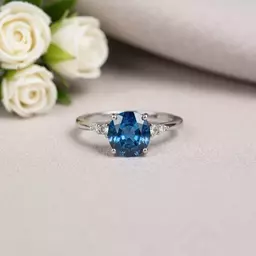
- Sapphire: Known for its hardness, sapphires are incredibly durable and perfect for everyday wear. For more detailed sapphire care information, you can refer to insights from the Gemological Institute of America (GIA).
- Lapis Lazuli: This vivid blue stone is prized for its rich color and often features golden flecks of pyrite.
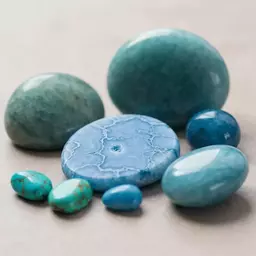
- Turquoise: Turquoise is beloved for its unique patterns and is more porous, requiring extra care.
By appreciating the distinct characteristics of each stone, you can tailor your care practices accordingly, ensuring they stay vibrant and lovely.
Gemstone Properties: Hardness, Porosity, and Sensitivity of Blue Gemstones
The properties of blue gemstones vary significantly, affecting how we should care for them. For instance, the hardness of a gemstone is measured by the Mohs scale. Sapphires score a high 9, making them resistant to scratches, while turquoise, scoring between 5 and 6, is much softer. Additionally, porosity plays a role in how easily a stone can absorb liquids and oils, which is particularly important for turquoise and lapis lazuli.
Many blue stones also have varying degrees of sensitivity to heat and chemicals. Thus, understanding these properties is essential for preserving their beauty and value!
Effective Cleaning Techniques for Your Blue Gemstone Jewelry
Keeping your blue gemstone jewelry clean is crucial for maintaining its allure. Simple and effective cleaning techniques can go a long way in protecting these precious pieces. Here’s how to get started:
Gentle Cleaning with Mild Soap and Warm Water
For most blue gemstone pieces, a solution of mild soap and warm water works wonders. Gently cleanse your jewelry with a soft cloth or sponge, and rinse it under lukewarm water. This method is especially effective for less durable stones like turquoise.
Using Soft Cloths and Brushes for Best Results
Utilizing soft cloths is a must! Avoid using rough materials that can scratch the surface of your gemstones. For intricate designs, a soft-bristled toothbrush can help reach those hard-to-clean areas without damaging the stone. For general tips on how to clean your precious jewelry at home, the American Gem Society provides practical advice.
Considering Ultrasonic Cleaners: Advantages and Precautions
While ultrasonic cleaners can be effective for cleaning jewelry, they aren’t suitable for all gemstones. If you’re considering this method, make sure your gemstones are hard and durable like sapphires, as softer stones could be at risk. Always consult a professional if you’re unsure!
Special Considerations for Each Blue Gemstone Type
Not all gemstones are created equal, and neither are their cleaning needs. For example, lapis lazuli and turquoise should be cleaned with extra care due to their porous nature. Here’s a quick guide:
- Sapphire: Safe for ultrasonic cleaners, but a gentle wipe is usually sufficient.
- Lapis Lazuli: Clean with a damp cloth; avoid soaking in water.
- Turquoise: Use a soft cloth and mild soap; never soak in water.
By tailoring your cleaning techniques to each type of blue gemstone, you can ensure they shine for years to come!
Proper Storage Solutions to Preserve Your Jewelry's Beauty
Proper storage is crucial for preserving the beauty of your blue gemstone bracelets and bangles. When not in use, how you store your jewelry can make all the difference. Let’s look at the best practices:
Why Separate Storage is Crucial: Pouches, Jewelry Boxes, and Lined Cases
Always store your blue gemstone jewelry separately from other pieces to avoid scratches. Soft pouches or a dedicated jewelry box with lined interiors is ideal for keeping pieces safe. Mixing different types of jewelry can lead to unwanted damage, so think of each piece as a delicate treasure!
Keeping Your Bracelets and Bangles Dry and Cool
Humidity and moisture can significantly affect your gemstones. Store your jewelry in a cool, dry place, away from sunlight, to keep them in pristine condition. This is especially important for gemstones like turquoise, which can fade if exposed to too much heat or light.

Humidity Control and Its Impact on Blue Gemstones
Using silica gel packets in your storage box can help absorb excess moisture, maintaining the quality of your jewelry. Remember, controlling humidity is essential to avoid any potential deterioration of your beloved blue stones!
Common Mistakes to Avoid When Caring for Blue Gemstone Jewelry
Even the most devoted jewelry lovers can make mistakes in caring for their pieces. Avoiding common pitfalls can greatly extend the life of your gemstones. Here are a few to keep in mind:
Harsh Chemicals and Abrasives: What Not to Use
Steer clear of harsh chemicals and cleaning products. These can damage the surface of your gemstones and diminish their natural shine. Stick to gentle, natural solutions for cleaning! The International Gem Society offers further guidance on cleaning various gemstone types, emphasizing the importance of using appropriate methods.
Staying Away from Direct Sunlight and Heat
Direct sunlight can fade the colors of your blue gemstones over time. Store your jewelry in shaded areas and avoid leaving them in hot places like cars or near radiators!
Avoiding Scratches: Tips for Preventive Care
To prevent scratching, always handle your jewelry with care and consider putting it on after applying lotions or perfumes. Treat your gemstones with the love they deserve, and they’ll reward you with lasting beauty!
Maintenance Frequency: How Often Should You Care for Your Jewelry?
Regular maintenance is key to keeping your blue gemstone bracelets and bangles looking their best. But how often should you clean and inspect them? Here are some helpful insights:
Daily Wear Clean-Up Routine
If you wear your blue gemstones daily, give them a quick clean with a soft cloth to remove any dirt or oils every few days. A little maintenance goes a long way!
Deep Cleaning and Professional Inspections
For deeper cleanings, I recommend doing so every few months. Consider visiting a professional jeweler who specializes in blue gemstones for a thorough inspection and cleaning!
Routine Inspections: When to Seek Professional Cleaning
If you notice any changes in the appearance of your gemstones or if they show signs of wear, don’t hesitate to seek help. A professional can provide the expert care your precious jewelry deserves.
Understanding the Differences: Bracelets vs. Bangles
Finally, let’s discuss the care considerations specific to bracelets and bangles. While they may seem similar, their structures can require different approaches:
Care Considerations for Rigid Bangles vs. Stretch Bracelets
Rigid bangles are more susceptible to damage from impacts, so store them carefully to avoid breakage. Stretch bracelets, on the other hand, need attention to the elasticity of the band. Keeping them away from sharp objects will help maintain their integrity!
Material and Setting Impacts on Jewelry Care
Different materials and settings can affect how you care for your jewelry. For instance, a gemstone set in gold may require less maintenance than one set in a more porous material. Always consider the combination of materials when planning your care routine!
Troubleshooting Common Issues with Blue Gemstone Jewelry
Sometimes, despite our best efforts, issues can arise with our beloved jewelry. Here’s how to troubleshoot common problems:
How to Remove Buildup from Your Jewelry
For buildup, a gentle soap solution can help. Soak your jewelry briefly, followed by a soft brush to dislodge any stubborn residues.
What to Do After Exposure to Saltwater or Chemicals
If your jewelry has been exposed to saltwater or chemicals, rinse it immediately with fresh water and dry it thoroughly. This simple step can prevent long-term damage!
DIY Repairs: Techniques for Common Jewelry Issues
For minor issues, like loose stones or broken clasps, DIY repairs can be effective if you’re careful. However, when in doubt, I always recommend consulting a professional jeweler to ensure the best outcome.
Pro Tip
Did you know? Consistent care can enhance the lifespan of your blue gemstone jewelry. For optimal results, establish a cleaning routine tailored to each gemstone type. For instance, consider using a soft brush for lapis lazuli and a gentle cloth for sapphire. This small adjustment can make a significant difference in maintaining their stunning appearance!
Frequently Asked Questions About Blue Gemstone Jewelry Care
Q: How often should I clean my blue gemstone jewelry?
A: For daily wear pieces, a quick wipe with a soft cloth every few days is recommended. For a deeper clean, aim for every few months or when you notice buildup. Professional inspections and cleanings are advisable annually or if you observe any issues.
Q: Can I use an ultrasonic cleaner for all blue gemstones?
A: No, ultrasonic cleaners are not suitable for all blue gemstones. They are generally safe for hard and durable stones like sapphires. Softer or more porous gemstones, such as lapis lazuli and turquoise, can be damaged by ultrasonic cleaning. Always consult a professional if unsure.
Q: What are the best storage practices for blue gemstone jewelry?
A: Store your blue gemstone jewelry separately in soft pouches or lined jewelry boxes to prevent scratches. Keep them in a cool, dry place away from direct sunlight and excessive humidity. You can use silica gel packets for humidity control.
Q: What should I avoid when cleaning blue gemstones?
A: Avoid harsh chemicals, abrasive cleaners, and excessive heat. For porous stones like lapis lazuli and turquoise, never soak them in water. Direct sunlight can also cause colors to fade, so avoid leaving your jewelry exposed to it.
Q: Is there a difference in care for rigid bangles versus stretch bracelets?
A: Yes. Rigid bangles are more prone to impact damage and should be stored carefully to prevent breakage. Stretch bracelets require attention to the elasticity of their bands; protect them from sharp objects and overstretching to maintain their integrity.
In Summary: Caring for Your Blue Gemstone Bracelets and Bangles
As we wrap up our discussion on the essential care practices for your blue gemstone bracelets and bangles, it’s clear that proper maintenance is key to preserving their beauty and longevity. By following the right cleaning, storage, and maintenance practices, you can ensure that your cherished pieces remain dazzling for years to come!
Here’s a quick recap of the major points we covered:
- Cleaning: Use mild soap and warm water, and always opt for soft cloths.
- Storage: Keep your jewelry in separate pouches or lined boxes to avoid scratches.
- Maintenance: Regular inspections will help catch any potential issues early.
Remember, gentle care goes a long way. The unique qualities of blue gemstones require a thoughtful approach, ensuring they retain their enchanting allure. I always say, treating your gemstones with love and respect is the best way to show your appreciation for their natural beauty!
Engage with Your Jewelry: Tips for Customizing Care
Each piece of jewelry tells a story, and personalizing your care routine can enhance that connection. Start by observing how your gemstones respond to daily wear—this will help you tailor your cleaning and maintenance practices. For instance, if you frequently wear a sapphire bracelet, you might find that it needs more frequent inspections compared to a lapis lazuli piece.
Here are a few tips to customize your jewelry care routine:
- Assess your lifestyle: Consider how often you wear each piece and adjust cleaning frequency accordingly.
- Document your care: Keep a small journal of your cleaning and maintenance habits to help you recognize patterns.
- Choose products wisely: Opt for gentle, eco-friendly cleaning solutions that suit your gemstones.
At Blue Jewelry Stones, we invite you to join our community of gemstone enthusiasts! Sharing experiences and advice about proper care not only enriches our knowledge but also helps us all appreciate these stunning natural treasures even more.
Lastly, think about exploring customization options for your jewelry. Whether it’s a unique setting or a personalized engraving, adding your personal touch can make your blue gemstone pieces even more special. Let’s celebrate the beauty of blue gemstones together!
Recap of Key Points
Here is a quick recap of the important points discussed in the article:
- Understanding Gemstone Properties: Know the hardness and porosity of your blue gemstones to tailor care practices accordingly.
- Effective Cleaning Techniques: Use mild soap and warm water, and always opt for soft cloths to avoid scratches.
- Proper Storage Solutions: Store your jewelry separately in soft pouches or lined boxes to prevent scratches and moisture damage.
- Avoid Common Mistakes: Stay away from harsh chemicals and direct sunlight to maintain the vibrancy of your gemstones.
- Regular Maintenance: Conduct routine inspections and cleanings to ensure your jewelry remains in excellent condition.