
As you embark on your journey through the enchanting world of tanzanite, consider this: what if the gemstone you choose not only enhances your beauty but also carries a story of rare origin and ethical practices?
What You Will Learn
- Tanzanite is exclusively sourced from Tanzania, making it a rare and unique gemstone.
- The gemstone exhibits stunning color variations from deep blue to violet, depending on the angle of view.
- Understanding the 4Cs (Color, Clarity, Cut, Carat) is essential for making an informed tanzanite purchase.
- Ethical sourcing is crucial; choose suppliers who prioritize responsible mining practices to support local communities.
Key Aspects of Tanzanite Gemstone Quality and Sourcing
Delve into the essential factors that define tanzanite's value, from its intrinsic characteristics to ethical sourcing practices.
Quality Factors (4Cs)
- Color: Rich blue-violet
- Clarity: Eye-clean
- Cut: Maximize brilliance
- Carat: Larger for value
Ethical Sourcing Priorities
- Support local communities
- Minimize environmental impact
- Look for certifications
- Transparency in sourcing
Unique Tanzanite Characteristics
- Color variations (blue to violet)
- Limited single source (Tanzania)
- Unique geological formation
- Discovered in 1967
Buying Checklist
- Research the 4Cs
- Ask about heat treatments
- Request GIA certification
- Examine under various lighting
Understanding Tanzanite Blue Gemstones: A Comprehensive Overview
Welcome to the captivating world of tanzanite, a gemstone that truly stands out among its blue counterparts! With its stunning violet-blue hue, tanzanite is not just beautiful but also incredibly rare, making it a unique addition to any jewelry collection. This gemstone is exclusively sourced from the Merelani Hills in Tanzania, which adds to its allure and value. If you’re exploring the charm of tanzanite, you're in for a treat!
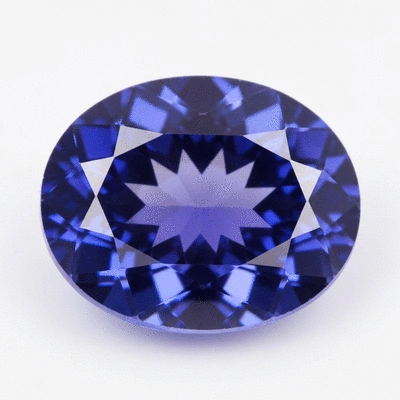
Tanzanite's captivating color shifts from deep blue to violet, depending on the angle from which you view it. This mesmerizing quality makes it a favorite among gem lovers and a fantastic choice for meaningful gifts. For a detailed guide on what to look for when purchasing, the GIA's Tanzanite Buyer's Guide offers excellent insights. Let’s dive deeper into what makes tanzanite so special.
What Makes Tanzanite Unique?
Tanzanite stands out not only for its beautiful color but also for its limited availability. It was discovered in 1967 and has since captivated the hearts of jewelry enthusiasts worldwide. The unique geological conditions required for its formation are found in just one location on Earth, specifically the Merelani Hills of Tanzania, as highlighted by the Gemological Institute of America (GIA). This rarity adds to the gemstone's value and desirability.
- Stunning color variations from blue to violet
- Limited geographical sourcing from Tanzania
- Unique geological formation process
These factors combine to create a gemstone that is not just a piece of jewelry but a piece of history. When you wear tanzanite, you're adorned with a treasure that tells a story of the Earth’s beauty and the journey of its discovery!
The Importance of Quality Factors in Tanzanite Buying
When considering a tanzanite purchase, understanding the critical quality indicators is essential. Often referred to as the 4Cs, these quality factors include color, clarity, cut, and carat weight, which all play a significant role in determining the value of the gemstone. To help you make an informed decision, the American Gem Society provides comprehensive information on how to buy tanzanite.
- Color: Look for rich, vibrant blues with a hint of violet.
- Clarity: Aim for eye-clean stones, meaning they have minimal inclusions visible to the naked eye.
- Cut: A well-cut tanzanite maximizes brilliance and color depth.
- Carat Weight: Larger stones are rarer and generally more valuable.
Taking the time to understand these aspects can significantly enhance your buying experience. As someone deeply passionate about gemstones, I encourage you to ask your jeweler about how these quality factors influence the tanzanite you're considering!
Ethical Sourcing: Understanding Tanzanite Mining Practices
As a gemstone enthusiast, I believe that ethical sourcing is crucial in the tanzanite industry. Responsible mining practices ensure that the gemstone industry supports local communities and minimizes environmental impact. Tanzanite mining can have significant effects on the surrounding area, so it's vital to choose suppliers who prioritize sustainability and ethics.
- Support local communities by choosing ethically sourced stones.
- Understand the environmental impact of mining practices.
- Look for certifications or endorsements from reputable organizations.
By purchasing ethically sourced tanzanite, you’re not just acquiring a beautiful gem—you’re also supporting positive change in the industry. At Blue Jewelry Stones, we emphasize the importance of transparency and responsible sourcing in our curated collection. Together, we can make a difference while enjoying the elegance of tanzanite!

Pro Tip
When purchasing tanzanite, consider investing in a stone that has been certified by a reputable organization, such as the Gemological Institute of America (GIA). This certification not only verifies the quality based on the 4Cs but also ensures that you are buying a genuine tanzanite, giving you peace of mind in your investment.
Frequently Asked Questions About Tanzanite
What makes tanzanite a unique gemstone?
Tanzanite is unique due to its exquisite violet-blue color, which can shift depending on the viewing angle. It is also found exclusively in the Merelani Hills of Tanzania, making it incredibly rare and limited in availability. Its discovery in 1967 and unique geological formation further contribute to its distinctiveness.
What are the "4Cs" in relation to tanzanite?
The 4Cs refer to Color, Clarity, Cut, and Carat weight. These are the primary factors used to evaluate the quality and value of a tanzanite gemstone. Color describes the richness of its blue-violet hue, Clarity refers to the absence of inclusions, Cut impacts the gem's brilliance, and Carat weight indicates its size, with larger stones generally being more valuable.
Why is ethical sourcing important when buying tanzanite?
Ethical sourcing is crucial to ensure that tanzanite mining practices support local communities in Tanzania and minimize environmental impact. By choosing ethically sourced stones, buyers contribute to responsible industry practices, promoting fair labor and environmental sustainability.
How can I ensure the authenticity and quality of a tanzanite gemstone?
To ensure authenticity and quality, it is recommended to purchase tanzanite from reputable jewelers and request certification from recognized organizations like the Gemological Institute of America (GIA). Additionally, research the 4Cs, ask about any heat treatments, and examine the gemstone under various lighting conditions.
Where is tanzanite exclusively sourced from?
Tanzanite is exclusively sourced from a small mining area in the Merelani Hills near the city of Arusha in northern Tanzania. This single-source origin is a significant factor in its rarity and unique appeal.
Wrapping Up: Key Takeaways for Buying Tanzanite Blue Gemstones
As we conclude our journey through the enchanting world of tanzanite blue gemstones, it's important to remember the key factors we've discussed. Understanding quality indicators, ensuring authenticity, and practicing proper care are essential steps in your purchasing journey. By keeping these points in mind, you can confidently select a tanzanite that speaks to your style and personal story.
Your Next Steps in Tanzanite Purchasing
Now that you've gathered valuable insights about tanzanite gemstones, it's time to put this knowledge into action! I encourage you to consult with reputable jewelers and certification bodies before making any purchases. Here’s a quick checklist to guide you:
- Research the 4Cs: Color, Clarity, Cut, and Carat.
- Ask about heat treatments and their impact on the stone.
- Request certification from recognized organizations like the GIA.
- Examine the gemstone under various lighting conditions for true color assessment.
- Seek a jeweler who specializes in tanzanite for personalized advice.
Following these steps will help ensure that you invest in a tanzanite that is not only beautiful but also authentic.
Join the Conversation: Share Your Tanzanite Experiences
I’d love to hear about your own experiences with tanzanite! Have you purchased a piece that holds special meaning for you? Or perhaps you have questions about choosing the right gem. Feel free to share your stories or ask your questions in the comments below! Engaging with our community enriches the experience for all gemstone lovers.
Resources for Tanzanite Buyers: A Comprehensive Guide
To further assist you on your tanzanite journey, here’s a list of credible resources where you can learn more about these captivating gemstones:
- Gemological Institute of America (GIA) - for certification and education.
- Rock & Gem Magazine - offers in-depth articles on gemstones.
- JCK Online - a leading jewelry industry publication featuring trends and reviews.
- Blue Jewelry Stones - explore our curated collection of tanzanite and educational resources.
These resources can provide valuable insights and support as you navigate the vibrant world of tanzanite gemstones!
Recap of Key Points
Here is a quick recap of the important points discussed in the article:
- Tanzanite is a unique gemstone, celebrated for its stunning color variations from blue to violet, and is exclusively sourced from Tanzania.
- Understanding the 4Cs (Color, Clarity, Cut, Carat) is essential when purchasing tanzanite to ensure quality and value.
- Ethical sourcing is crucial; choose suppliers that prioritize responsible mining practices to support local communities and environmental sustainability.
- Consult with reputable jewelers and request certification from recognized organizations like the GIA to ensure authenticity.
- Examine tanzanite under various lighting conditions to accurately assess its true color and brilliance.