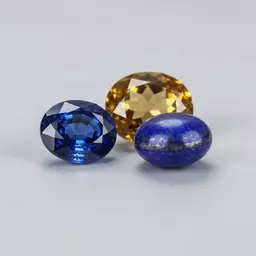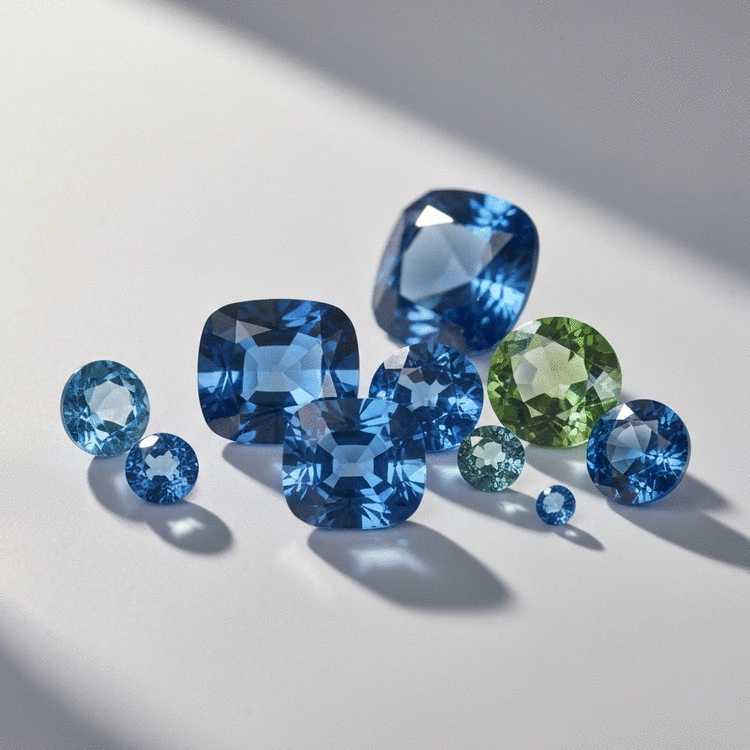

Did you know that understanding the hardness of gemstones can significantly impact your jewelry choices? The Mohs Hardness Scale not only reveals how well blue gemstones can withstand daily wear but also guides you in selecting the perfect stones for your lifestyle. Let's delve into the essential lessons you can learn from this fascinating topic!
What You Will Learn
- The Mohs Hardness Scale ranks gemstones from 1 (softest) to 10 (hardest), helping you understand their durability.
- Hardness, toughness, and stability are key terms that affect the longevity and wearability of gemstones.
- Sapphires are among the hardest gemstones, making them ideal for daily wear, while softer stones require more care.
- Selecting a gemstone based on its hardness can enhance its aesthetic longevity and value retention over time.
Blue Gemstone Hardness and Durability Overview
Understanding gemstone hardness, as measured by the Mohs scale, is crucial for selecting durable jewelry. This guide provides a quick comparison of popular blue gemstones and their suitability for everyday wear.
Mohs Hardness Scale Explained
1-3 (Very Soft): Easily scratched (e.g., Talc).
4-5 (Moderate): Some resistance (e.g., Fluorite).
6-7 (Good Durability): Suitable for everyday wear (e.g., Quartz).
8-10 (Extremely Hard): Perfect for lasting pieces (e.g., Sapphire).
Blue Gemstone Hardness & Composition
Sapphire: Hardness 9 (Corundum)
Aquamarine: Hardness 7.5-8 (Beryl)
Blue Topaz: Hardness 8 (Aluminum Fluorosilicate)
Lapis Lazuli: Hardness 5-5.5 (Mix of minerals)
Recommendations for Wear
Sapphire: Ideal for daily wear (rings, bracelets).
Blue Topaz: Good for affordable, everyday jewelry.
Aquamarine: Suitable for less exposed pieces (pendants).
Spinel & Tanzanite: Unique choices, may need special care.
Key Durability Aspects
Hardness: Resistance to scratching (Mohs scale).
Toughness: Resistance to breaking from impact.
Stability: Ability to maintain appearance against light & chemicals.
Understanding the Blue Gemstone Hardness Scale
When diving into the world of blue gemstones, one essential aspect to grasp is the hardness scale. It not only determines how well your gems will hold up over time but also influences how you care for them. This is where the Mohs Hardness Scale comes into play, offering a standardized measure of mineral hardness based on a scale of 1 to 10. Understanding this scale can help you choose the best gemstones for your lifestyle and ensure that your beautiful pieces remain stunning for years to come!
Each blue gemstone possesses unique qualities, and knowing their hardness will guide you in making informed decisions. For instance, sapphires are renowned for their durability, ranking high on the Mohs scale. On the other hand, softer stones may require more delicate handling. Let's explore the importance of this scale further!
What is the Mohs Hardness Scale and Why is it Important?
The Mohs Hardness Scale categorizes minerals based on their ability to scratch one another. It ranges from talc, the softest mineral at 1, to diamond, the hardest at 10. For us at Blue Jewelry Stones, this scale is crucial in evaluating the durability of the stunning blue gemstones we offer.
- 1-3: Very soft; easily scratched (e.g., talc, gypsum)
- 4-5: Moderate hardness; some resistance (e.g., fluorite, apatite)
- 6-7: Good durability; suitable for everyday wear (e.g., quartz, topaz)
- 8-10: Extremely hard; perfect for lasting pieces (e.g., sapphire, diamond)
This scale is particularly important when selecting jewelry that you want to wear daily. Knowing your stones can help you avoid potential damage and ensure that your pieces remain as beautiful as the day you bought them!
Defining Key Terms: Hardness, Toughness, and Stability
As we delve deeper into blue gemstones, it's important to clarify a few key terms: hardness, toughness, and stability. While hardness refers to a gem's resistance to scratching, toughness measures its ability to withstand breakage from impacts. Stability, on the other hand, indicates how well a gemstone can maintain its appearance over time when exposed to light and chemicals. The U.S. Geological Survey provides comprehensive information on gemstones, including these essential properties.
Understanding these terms is essential for choosing the right stone for your lifestyle. For example, while a sapphire is both hard and tough, it is also stable, making it an ideal choice for engagement rings or other pieces worn daily.
The Role of Mineral Composition in Blue Gemstone Hardness
The mineral composition of a gemstone plays a critical role in determining its hardness and other properties. For instance, sapphires are composed mainly of corundum, giving them their impressive hardness level of 9 on the Mohs scale. In contrast, aquamarine, while still beautiful, has a lower hardness rating due to its beryl composition.
- Sapphire: Hardness 9, composed of corundum
- Aquamarine: Hardness 7.5-8, composed of beryl
- Blue Topaz: Hardness 8, composed of aluminum fluorosilicate
- Lapis Lazuli: Hardness 5-5.5, a mix of minerals
This diversity in mineral composition not only affects the hardness but also influences the beauty and variety of blue gemstones available. By understanding these factors, you can make more informed choices about the gemstones that suit your style and needs!
Pro Tip
When choosing a blue gemstone for daily wear, consider scheduling regular maintenance checks. This ensures that your gemstone remains in optimal condition, preserving its beauty and durability. Regular cleaning and professional inspections can help catch any potential issues before they become significant, keeping your cherished pieces looking stunning for years to come!
Frequently Asked Questions About Blue Gemstone Hardness
- Q1: What is the Mohs Hardness Scale?
- A1: The Mohs Hardness Scale is a standardized measure that ranks minerals from 1 (softest) to 10 (hardest) based on their resistance to scratching. It's essential for determining a gemstone's durability for daily wear.
- Q2: Why is gemstone hardness important for jewelry?
- A2: Gemstone hardness is crucial because it indicates how well a stone will withstand scratches and daily wear. Harder gemstones are more durable and suitable for frequently worn items like rings, while softer stones may require more careful handling.
- Q3: What's the difference between hardness, toughness, and stability?
- A3: Hardness is resistance to scratching. Toughness is resistance to breaking from impacts. Stability is the ability to maintain appearance against light and chemicals. All three contribute to a gemstone's overall durability.
- Q4: Which blue gemstones are best for everyday wear?
- A4: Sapphires (Mohs 9) and Blue Topazes (Mohs 8) are excellent choices for everyday wear due to their high hardness. Aquamarine (Mohs 7.5-8) is also suitable for less exposed pieces like pendants.
- Q5: How does mineral composition affect gemstone hardness?
- A5: A gemstone's mineral composition directly influences its hardness. For example, sapphires are made of corundum, which gives them a high Mohs rating of 9, while aquamarines, composed of beryl, are slightly softer.
Summarizing the Durability of Blue Gemstones
As a gemologist, I've come to appreciate just how crucial the hardness of blue gemstones is when selecting the right piece for your collection. Understanding the durability of these stones not only influences their aesthetic appeal but also impacts how well they can withstand the rigors of everyday wear. Remember, a gem's hardness is measured on the Mohs scale, which ranges from 1 (softest) to 10 (hardest), with sapphires topping that list at a solid 9!
Choosing a durable gemstone ensures that your beautiful pieces remain intact and vibrant over time. Durability means that your jewelry can handle daily activities without fear of chipping or cracking. This makes it even more special to wear your favorite blue gem, knowing it can withstand the test of time.
The Importance of Hardness in Choosing Gemstones
When it comes to selecting a blue gemstone, hardness should be one of your top considerations. Here’s why:
- Wear Resistance: Harder stones resist scratches and damage better than softer alternatives.
- Value Retention: Gemstones that can endure daily wear maintain their value more effectively.
- Aesthetic Longevity: A durable gemstone keeps its luster and beauty throughout the years, making it an ideal choice for heirloom pieces.
For example, sapphires and blue topazes are excellent choices for their impressive hardness, making them perfect for rings or bracelets. On the other hand, softer stones may be better suited for less exposed settings like pendants, where they experience less daily wear.
Final Recommendations for Everyday Wear and Long-Term Use
Based on my experiences at Blue Jewelry Stones, here are my top recommendations for selecting blue gemstones that are both beautiful and durable:
- Sapphire: Ideal for rings and pieces that will see daily wear.
- Blue Topaz: A great option for affordable, everyday jewelry.
- Aquamarine: Lovely for pieces that require less toughness but still maintain beauty.
- Spinel and Tanzanite: Unique choices that add variety but may need special care.
By choosing gemstones with the right hardness, you'll enjoy stunning pieces that last, reflecting your personal style while withstanding the tests of time!
Engagement and Further Exploration
Encouraging Reader Interaction: Share Your Experiences with Blue Gemstones
Have you ever owned a blue gemstone that you cherish? I’d love to hear your stories! Connecting with fellow gemstone enthusiasts always brings a smile to my face.
Where to Buy Quality Blue Gemstones with Confidence
If you're ready to explore the world of blue gemstones, I invite you to check out Blue Jewelry Stones. We offer a range of carefully curated pieces that are sure to enchant you!
Exploring Ethical Sourcing in Blue Gemstone Mining
Lastly, as we dive deeper into our gemstone journey, let’s not forget the importance of ethical sourcing. It’s essential to support practices that respect the environment and the communities involved in gemstone mining. Together, we can make a difference while enjoying the beauty of blue gemstones.
Recap of Key Points
Here is a quick recap of the important points discussed in the article:
- Understanding Hardness: The Mohs Hardness Scale is vital for determining the durability and care of blue gemstones.
- Key Terminology: Hardness, toughness, and stability are essential terms that influence gemstone choice and care.
- Mineral Composition: The composition of gemstones like sapphires and aquamarines significantly affects their hardness and beauty.
- Choosing Wisely: Hardness should be a primary consideration for daily wear jewelry to ensure longevity and aesthetic appeal.
- Recommendations: Sapphires and blue topazes are excellent choices for durability, while softer stones may be suited for more protected settings.