
Did you know that the vibrant beauty of tanzanite gemstones requires specific care to maintain their luster? This guide will walk you through essential insights that every tanzanite owner should know.
What You Will Learn
- Regular cleaning is crucial for maintaining the brilliance of tanzanite by removing dust, oils, and pollutants.
- Tanzanite has a Mohs hardness of 6 to 7, making it relatively soft and prone to scratches if not handled carefully.
- The gemstone exhibits unique pleochroism, displaying different colors at various angles, which enhances its visual appeal.
- Use a soft-bristled brush and mild soap for safe cleaning; avoid harsh chemicals to preserve the integrity of the stone.
- Proper soaking techniques can effectively loosen dirt without damaging the tanzanite; aim for a soak of 10 to 15 minutes in warm soapy water.
- Rinsing thoroughly and drying with a lint-free cloth are essential steps to prevent soap residue and maintain sparkle.
Tanzanite Care Essentials: Hardness, Cleavage & Cleaning Overview
Understanding Tanzanite's characteristics is key to its longevity. This visual outlines its Mohs hardness, cleavage, and safe cleaning methods.
Mohs Hardness: Tanzanite vs. Others
Tanzanite's lower Mohs hardness (6-7) means it's more prone to scratches than harder gems like sapphire or diamond. Handle with care.
Risk of Cleavage & Breakage
Tanzanite has perfect cleavage in one direction, making it vulnerable to chips and breakage from impact. Avoid sudden blows.
Safe Cleaning Methods
Hand cleaning with warm soapy water and a soft brush is highly recommended. Avoid harsh chemicals and ultrasonic cleaners.
Understanding Tanzanite Gemstones and Their Care Needs
Tanzanite is one of the most enchanting blue gemstones found in nature, and it deserves special attention when it comes to care! As a passionate gemologist, I deeply appreciate the beauty of this stone, and I want to share some essential insights into its maintenance. Understanding how to care for your tanzanite will not only keep it sparkling but also ensure its longevity.
One of the first steps in caring for your tanzanite is recognizing its unique characteristics. These stunning gems exhibit beautiful hues, but they also come with specific care needs. Let’s dive into why cleaning your tanzanite is crucial for its durability and overall appearance.
Why Cleaning Tanzanite is Essential for Longevity
Regular cleaning of your tanzanite is vital for maintaining its brilliance. Dust, oils from your skin, and environmental pollutants can dull its surface over time. If left unattended, these elements can cause lasting damage, making your gemstone lose its luster. Cleaning not only revives the sparkle but also protects the integrity of the stone.
- Prevents buildup of dirt and oils
- Maintains gemstone brilliance
- Extends the life of your jewelry
By investing a little time in cleaning and care, you ensure that your tanzanite remains a treasured piece of your collection for years to come!
Characteristics of Tanzanite: Understanding Mohs Hardness and Cleavage
When it comes to caring for your tanzanite, understanding its Mohs hardness is essential. Tanzanite has a hardness rating of about 6 to 7, making it relatively soft compared to other gemstones like sapphire or diamond. This means that while it is durable, it can still be prone to scratches if not handled carefully.
Additionally, tanzanite has perfect cleavage in one direction, which can make it vulnerable to chips or breakage. Knowing these characteristics helps you choose the right cleaning methods and storage solutions. Always handle your tanzanite with care—after all, it’s a beautiful gem that deserves to be treated with respect!
Exploring the Unique Colors and Clarity of Natural Tanzanite
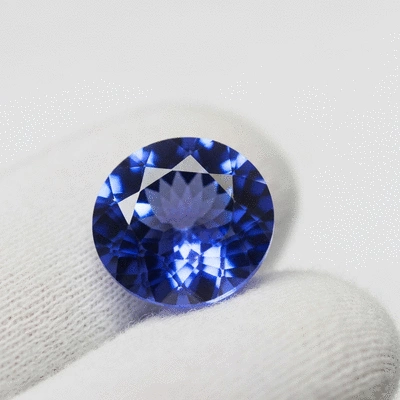
One of the most captivating aspects of tanzanite is its stunning range of colors, from deep blues to mesmerizing purples. The finest tanzanite displays a vivid blue color with a hint of violet that truly stands out. Its clarity is another crucial factor—higher clarity stones have fewer inclusions, which not only enhances their beauty but also affects their value.
- Color ranges from blue to violet
- Higher clarity increases visual appeal
- Unique pleochroism—shows different colors at different angles
When caring for your tanzanite, keeping these characteristics in mind can help you appreciate its value and beauty even more. The right care can ensure that your tanzanite remains vibrant for many generations!
We Want to Hear From You!
As you care for your tanzanite, what has been your biggest challenge or concern? Share your thoughts below:
Step-by-Step Guide on How to Clean Tanzanite Gemstones Safely
Cleaning your Tanzanite gemstones doesn't have to be a daunting task! With the right techniques and tools, you can ensure they stay as stunning as the day you bought them. I find that taking a step-by-step approach not only makes the process easier but also ensures that your gems are treated with the care they deserve.
Let’s dive into the essential steps you need to follow when cleaning your precious Tanzanite, so they can sparkle like the treasure they are!
Preparation: What You Need for Cleaning Tanzanite
Before you begin the cleaning process, it's crucial to gather all necessary supplies. Having everything at hand will make the process smoother and more efficient.
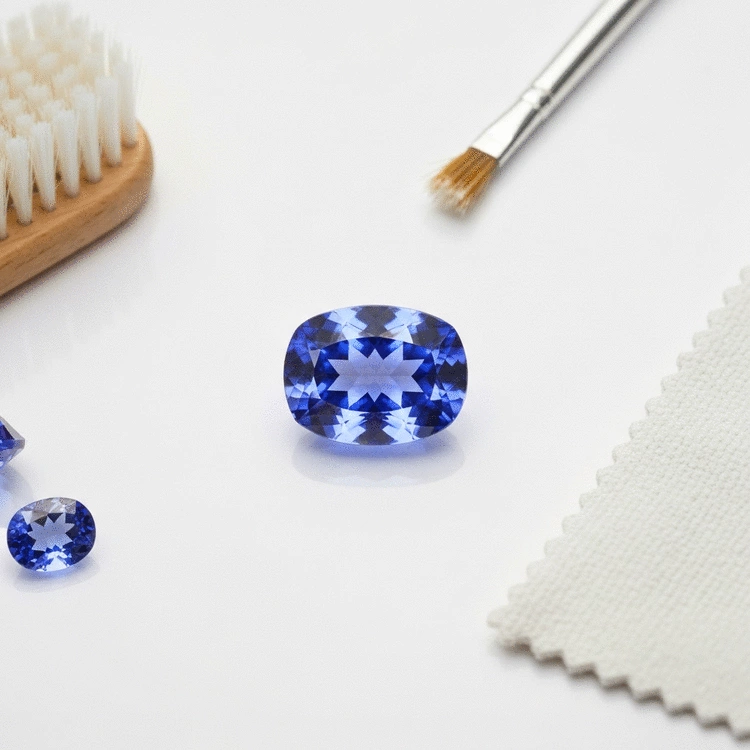
- Soft-bristled brush: A gentle brush is key to avoiding scratches.
- Warm, soapy water: Use a mild soap that won’t harm the stone.
- Lint-free cloth: Perfect for drying your Tanzanite without leaving residue.
- Container for soaking: A small bowl works well to hold your gemstones.
With these tools ready, you’re well on your way to giving your Tanzanite the care it deserves!
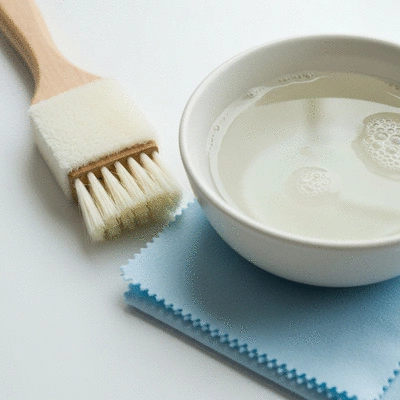
Gathering Supplies: Safe Cleaning Tools and Solutions
Choosing the right tools is essential. I always recommend sticking to non-abrasive materials and solutions. You want to avoid anything that might dull the shine or scratch the surface. Look for soft brushes specifically designed for jewelry cleaning.
Understanding the Risks: What to Avoid When Cleaning
While cleaning, it’s important to know what to steer clear of. Avoid using harsh chemicals, as they can damage the fragile structure of Tanzanite. Remember, less is more when it comes to cleaning solutions!
Choosing the Right Cleaning Solution: Mild Soap vs. Specialty Jewelry Cleaners
The cleaning solution you choose can make a big difference in the longevity of your Tanzanite. Here’s a quick overview:
- Mild soap: Gentle and effective for regular cleaning.
- Specialty jewelry cleaners: Designed specifically for gemstones but check the ingredients to ensure they’re safe for Tanzanite.
Always test a small amount if you’re trying a new cleaner. Your beautiful gemstone deserves the best!
Step 1: Soaking Your Tanzanite Gemstone
Once you have everything ready, it’s time to start cleaning! Soaking your Tanzanite in warm soapy water is a great first step.
Using Warm Soapy Water: Best Practices for Soaking
Fill a bowl with warm, soapy water. Make sure the water is not too hot, as extreme temperatures can affect the stone. Submerge your Tanzanite and let it soak for a few minutes to loosen dirt and grime.
Recommended Soaking Time for Maximum Effectiveness
A soak of around 10 to 15 minutes is usually sufficient. This allows the soap to do its magic without risking any damage to the gemstone!
Optimal Water Temperature for Safe Soaking
Keep your water comfortably warm, but not hot—think of it as a cozy bath for your gemstone! Water that’s too hot can create pressure on the stone and lead to potential fracture.
Step 2: Gentle Scrubbing Techniques for Tanzanite
After soaking, it’s time to give your gem a gentle scrub. This is where the soft brush comes into play!
Choosing the Right Brush: Soft Brushes for Safe Cleaning
Use a soft-bristled brush to avoid scratching the surface. A makeup brush or a toothbrush can work well as long as it’s clean and gentle.
How to Scrub Without Causing Damage
Lightly brush the surface of the Tanzanite, focusing on crevices where dirt tends to accumulate. This ensures you’re cleaning effectively without risking scratches.
Hand Cleaning vs. Ultrasonic Cleaners: Pros and Cons
While hand cleaning is always my go-to, ultrasonic cleaners can be effective for some. Here’s what to consider:
- Hand cleaning: Gives you control and is less risky for fragile stones.
- Ultrasonic cleaners: Can clean deeply but may cause damage to more delicate gems like Tanzanite.
Always prioritize hand cleaning for Tanzanite to ensure safety!
Step 3: Rinsing and Drying Your Tanzanite Jewelry
Once your Tanzanite is clean, it’s time to rinse it thoroughly to remove any soap residue.
Thorough Rinsing: Importance of Removing Residue
Rinse under lukewarm water, ensuring all soap is washed away. This step is crucial because leftover soap can dull the stone’s sparkle.
Lint-Free Drying: Best Materials for Safe Drying
After rinsing, gently pat your Tanzanite dry with a lint-free cloth. Avoid using paper towels or regular cloths, as they can leave fibers behind.
With these steps, you’re on your way to keeping your Tanzanite vibrant and beautiful! Regular care will not only enhance its appearance but also extend its lifespan. Remember, treating your gemstones with love and attention is the best way to enjoy their beauty for years to come!
Frequently Asked Questions About Tanzanite Care
- Q: What is the Mohs hardness of tanzanite?
- A: Tanzanite has a Mohs hardness rating of 6 to 7, making it relatively softer than diamonds or sapphires and thus more susceptible to scratches.
- Q: Why is regular cleaning important for tanzanite?
- A: Regular cleaning removes dust, oils, and environmental pollutants that can dull the gemstone's surface and potentially cause lasting damage, preserving its brilliance and integrity.
- Q: What cleaning solutions should I use for tanzanite?
- A: It is recommended to use warm, soapy water with mild soap. Avoid harsh chemicals and specialty jewelry cleaners unless they are specifically certified safe for tanzanite.
- Q: Can I use an ultrasonic cleaner for my tanzanite jewelry?
- A: No, ultrasonic cleaners are generally not recommended for tanzanite due to its perfect cleavage and relative softness, which can make it vulnerable to damage from the vibrations.
- Q: How long should I soak tanzanite in soapy water?
- A: A soaking time of 10 to 15 minutes in warm, soapy water is usually sufficient to loosen dirt and grime without risking damage to the gemstone.
- Q: What kind of brush should I use to clean tanzanite?
- A: Always use a soft-bristled brush, such as a clean makeup brush or a soft toothbrush, to gently scrub the tanzanite without scratching its surface.
Recap of Key Points
Here is a quick recap of the important points discussed in the article:
- Regular cleaning of tanzanite is essential to maintain its brilliance and extend its lifespan.
- Understand the unique characteristics of tanzanite, including its Mohs hardness of 6 to 7 and perfect cleavage, to avoid damage.
- Use soft-bristled brushes and mild soap for cleaning to prevent scratches and maintain the gemstone's beauty.
- Soak tanzanite in warm, soapy water for 10 to 15 minutes to loosen dirt before scrubbing gently.
- Thoroughly rinse and dry with a lint-free cloth to remove any soap residue and prevent dullness.