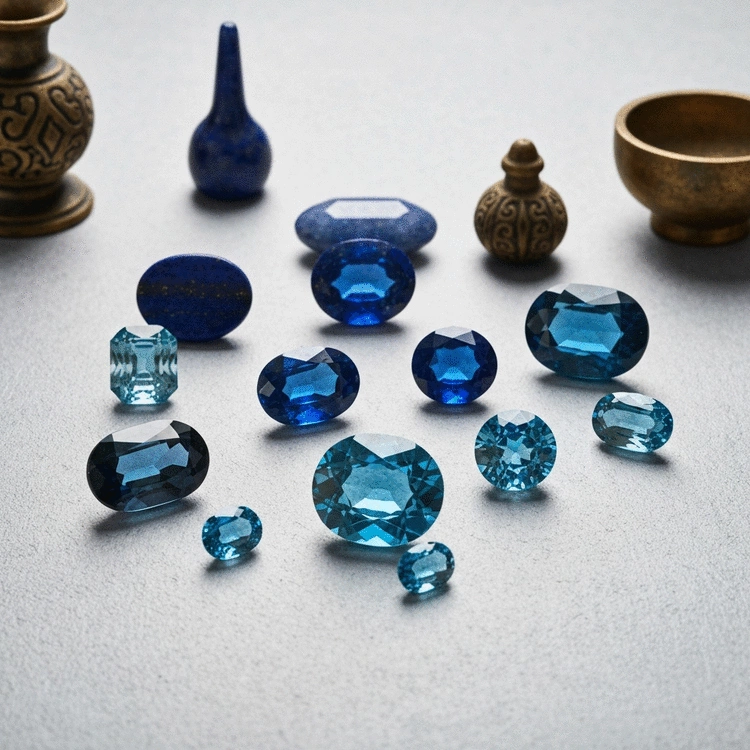

What if the beauty of blue gemstones was not just in their hue, but in the rich stories they tell? Each stone carries deep cultural significance, serving as a bridge to ancient beliefs and practices that continue to resonate today.
What You Will Learn
- Blue gemstones symbolize protection, wisdom, and divine favor across various ancient cultures.
- The blue sapphire has historically represented royalty and loyalty, often used in significant gifts and engagements.
- Lapis lazuli was treasured in ancient Egypt for its believed powers of wisdom and protection in the afterlife.
- Turquoise, revered by many cultures, is known for its protective qualities and ability to enhance communication and emotional balance.
The Enduring Symbolism of Blue Gemstones: A Cross-Cultural Comparison
Blue gemstones have captivated humanity for millennia, embodying protection, wisdom, and divine favor across diverse ancient cultures. This comparison highlights their unique significance.
Blue Sapphire: Royalty & Loyalty
- Adorned crowns & royal insignia
- Symbol of fidelity & commitment
Lapis Lazuli: Gem of the Gods (Egypt)
- Wisdom & protection in afterlife
- Used for ultramarine pigment
Turquoise: Protective & Healing
- Egypt: Protection against evil
- Native American: Healing & ceremonies
- Persia: Holy stone, good luck
Universal Blue Gemstone Meanings
- Protection (ward off evil)
- Wisdom (knowledge, enlightenment)
- Divine Favor (blessings, gods)
The Historical Role of Blue Gemstones in Ancient Cultures
Blue gemstones have been revered throughout history, often associated with profound cultural meanings. These beautiful stones symbolize protection, wisdom, and divine favor. They have served as protective talismans and valuable items in trade, reflecting the values and beliefs of the societies that cherished them. At Blue Jewelry Stones, we appreciate these historical contexts as they add depth to our understanding and appreciation of these natural treasures.
Many ancient cultures viewed blue gemstones as more than mere adornments. They were believed to hold mystical powers and were often used in rituals and ceremonies. For instance, they could symbolize healing and prosperity, bridging the gap between the earthly and the divine for those who wore or used them. Research into the therapeutic properties of gemstones highlights how these beliefs continue to be explored today.
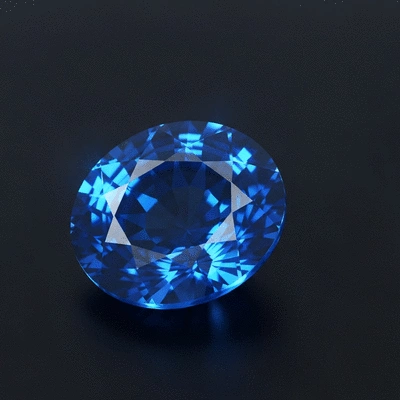
Cultural Significance of Blue Gemstones
The significance of blue gemstones varies across cultures, but some themes remain universal. Here are a few prominent meanings associated with these stones:
- Protection: Many believed blue stones could ward off evil spirits.
- Wisdom: Especially in ancient civilizations, blue gemstones were seen as symbols of knowledge and enlightenment.
- Divine Favor: These stones were often associated with gods and goddesses, believed to bring blessings to their wearers.
As we explore these meanings, it’s clear that blue gemstones have always played a vital role in cultural narratives. Their deep hues and breathtaking beauty have inspired countless stories throughout history, making them treasured symbols in various rituals.
Blue Sapphire: A Stone of Royalty and Loyalty
No stone captures the essence of royalty quite like the blue sapphire. Historically, sapphires have adorned crowns and royal insignias, signifying loyalty and nobility. They were often given as gifts to mark significant occasions and express heartfelt sentiments. I find it fascinating how this stone has been woven into the fabric of history as a symbol of fidelity and commitment!
In fact, many royal families cherished sapphires not only for their beauty but also for their believed ability to safeguard against envy and harm. It’s no wonder they have become synonymous with trust and loyalty in relationships, making them a popular choice for engagement rings.
Lapis Lazuli in Ancient Egypt: A Gem of the Gods
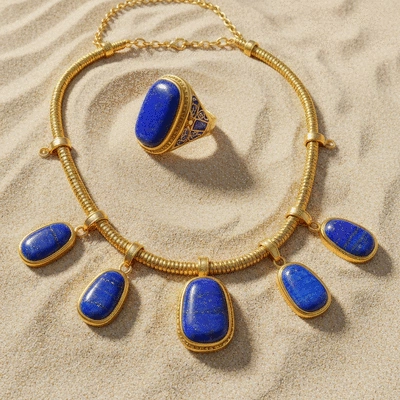
Lapis lazuli holds a special place in the hearts of ancient Egyptians, often regarded as a gem of the gods. This rich blue stone was frequently used in jewelry, artifacts, and even burial items. It was believed to grant wisdom and protection in the afterlife, making it a crucial element in Egyptian funerary practices, as detailed in studies on gemstones in ancient Egyptian adornment.
Interestingly, lapis lazuli was also crushed into powder to create the iconic ultramarine pigment for paintings and cosmetics. This illustrates its multifaceted uses, from decorative to spiritual, making it an indispensable part of ancient Egyptian culture.
The Significance of Turquoise in Ancient Cultures
Turquoise is another blue gemstone that has captivated cultures worldwide. From the ancient Egyptians to Native Americans, turquoise has been revered for its protective qualities. It was believed to enhance communication and promote emotional balance, making it a sought-after stone for spiritual practices.
- In Ancient Egypt: Turquoise adorned jewelry, symbolizing protection against evil.
- In Native American culture: It was often used in ritualistic ceremonies to promote healing.
- In Persia: Turquoise was considered a holy stone, believed to bring good luck, and its formation has been studied, as noted in reports on turquoise formation.
The varying uses of turquoise across cultures highlight its importance as a tool for spiritual connection and healing. At Blue Jewelry Stones, we celebrate the rich history of these stones and their ongoing legacy in modern jewelry practices.
Engaging Question
As we explore the fascinating world of blue gemstones, consider this: What blue gemstone resonates with you the most, and why? Is it the royal blue of sapphires, the tranquil tones of aquamarine, or perhaps the spiritual significance of lapis lazuli? Share your thoughts below!
Frequently Asked Questions (FAQs) About Blue Gemstones
- What do blue gemstones symbolize universally?
- Blue gemstones universally symbolize protection, wisdom, and divine favor across many ancient cultures.
- Which blue gemstone is associated with royalty and loyalty?
- The blue sapphire is historically associated with royalty, loyalty, and nobility, often adorning crowns and royal insignias.
- What was Lapis Lazuli's significance in ancient Egypt?
- In ancient Egypt, lapis lazuli was considered a "gem of the gods," believed to bestow wisdom and protection in the afterlife. It was also used to create ultramarine pigment.
- What are the protective qualities of Turquoise?
- Turquoise is revered for its protective qualities, believed to ward off evil, enhance communication, and promote emotional balance, with significant use in Egyptian, Native American, and Persian cultures.
- How do blue gemstones remain relevant today?
- Blue gemstones continue to be relevant today by evoking feelings of tranquility, wisdom, and divine favor, and are popular in modern jewelry and spiritual practices, such as tanzanite for emotional connection.
Reflecting on the Enduring Appeal of Blue Gemstones
As we delve into the historical and spiritual significance of blue gemstones, it becomes clear that their allure has transcended time and culture. From the protective qualities of turquoise in Native American traditions to the royal heritage of blue sapphires, these stunning stones hold deep meanings across various societies. Blue gemstones continue to evoke feelings of wisdom, tranquility, and divine favor, reminding us of their importance in our lives today.
Even in modern contexts, we see blue gemstones featuring prominently in jewelry and spiritual practices. For instance, tanzanite is celebrated for its striking beauty and metaphysical properties, allowing individuals to connect more deeply with their emotions. This enduring appeal shows us that the stories and significance of blue gemstones remain relevant and cherished.
Engaging with the Legacy of Blue Gemstones
Now it’s your turn to explore your personal connection to blue gemstones! Whether it’s a cherished family heirloom or a piece you purchased from Blue Jewelry Stones, each stone carries its unique story. I encourage you to consider incorporating these beautiful gems into your personal rituals or educational journeys. How can you bring the rich history and spirituality of blue gemstones into your own life?
- Start by identifying which blue gemstone resonates with you the most.
- Consider creating a ritual that involves your chosen stone—perhaps meditating while holding it or wearing it during important events.
- Research the cultural significance of the gemstone you choose, deepening your understanding and connection.
I'd love to hear your experiences or insights regarding blue gemstones! How do they hold meaning in your culture? Please feel free to share your stories with me. For those wanting to learn more, I've linked to some valuable resources on purchasing gemstones and exploring specific cultural practices related to blue stones. Let’s keep the conversation going as we celebrate the beauty and symbolism of these magnificent treasures!
Recap of Key Points
Here is a quick recap of the important points discussed in the article:
- Symbolism: Blue gemstones are associated with protection, wisdom, and divine favor across various cultures.
- Historical Usage: Many ancient civilizations used blue gemstones in rituals, believing they held mystical powers.
- Blue Sapphire: Considered a stone of royalty, loyalty, and commitment, often used in engagement rings.
- Lapis Lazuli: Revered in ancient Egypt as a gem of the gods, symbolizing wisdom and protection in the afterlife.
- Turquoise: Valued for its protective qualities, enhancing communication and emotional balance in various cultures.
- Modern Relevance: Blue gemstones continue to evoke feelings of tranquility and are popular in contemporary jewelry and spiritual practices.