
Did you know that the choices you make when selecting a gemstone can reflect your personal values and style? In the captivating realm of blue gemstones, understanding the differences between natural and lab-created stones empowers you to choose wisely. Let’s explore the key insights that will enhance your appreciation for these beautiful treasures.
What You Will Learn
- Natural blue gemstones, like sapphire and aquamarine, are unique creations of the Earth, shaped over millions of years.
- Lab-created blue gemstones mimic natural stones using advanced technology and are often more affordable and ethically sourced.
- When choosing a gemstone, consider the origin, cost, and ethics to align your choice with your personal values.
- Lab-grown technology ensures consistent quality and rapid production of gemstones, appealing to those who prioritize sustainability.
Natural vs. Lab-Created Blue Gemstones: Key Differences
Explore the distinctions between natural and lab-created blue gemstones across three crucial factors: Origin, Cost, and Ethics.
Gemstone Origin
Natural: Formed deep within Earth over millions of years by geological processes.
Lab-Created: Engineered in controlled environments using advanced technology.
Gemstone Cost
Natural: Generally higher due to rarity and extraction challenges.
Lab-Created: Typically more affordable and accessible.
Ethical Considerations
Natural: Can have environmental and labor concerns depending on sourcing.
Lab-Created: Often boasts ethical production & lower environmental impact.
Aesthetic Appeal
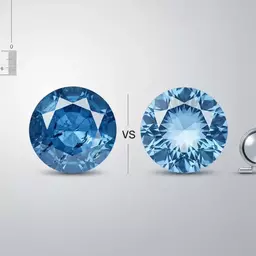
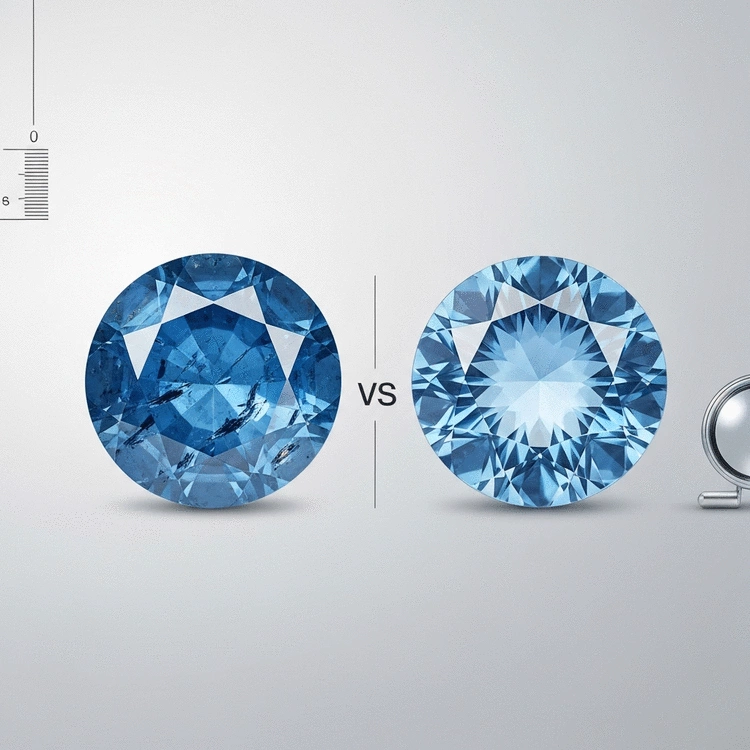
Natural: Unique imperfections, varied hues, and natural inclusions.
Lab-Created: Flawless clarity, consistent color, and high brilliance.
Understanding the Basics of Natural and Lab-Created Blue Gemstones
Welcome to the fascinating world of blue gemstones! When delving into the realm of these stunning stones, it’s essential to understand their origins. Natural blue gemstones are formed deep within the earth, forged by time and natural processes. Each one carries its own unique story, shaped by geological events over millions of years. Here at Blue Jewelry Stones, we celebrate the magic of natural gemstones, appreciating not just their beauty but also the history they embody. For further reading on natural formations, sources like Geology.com provide excellent insights into gemstones like sapphires.
In contrast, lab-created blue gemstones are engineered in controlled environments using advanced technology. This method allows for the creation of stones that often mimic their natural counterparts in appearance but can differ significantly in terms of origin and value. Both types of gemstones have their place in the jewelry world, and understanding these differences can help you make informed choices.
What Are Natural Blue Gemstones?
Natural blue gemstones include well-known varieties like sapphire, aquamarine, and lapis lazuli. These gems are formed through natural geological processes, making each one a unique piece of Earth’s artistry. For instance, a sapphire is created under immense pressure and heat, resulting in its dazzling color and durability. If you’ve ever held a natural blue gemstone, you might have felt the connection to the earth and the stories it holds!
- Sapphire: Known for its rich hues and hardness, perfect for everyday wear.
- Aquamarine: Offers calming shades reminiscent of the ocean, symbolizing peace.
- Lapis Lazuli: A deep blue stone often associated with wisdom and truth.
Each type of natural blue gemstone has its own set of characteristics and meanings, making them not just beautiful but also meaningful additions to any jewelry collection. Whether you're drawn to the regal sapphire or the tranquil aquamarine, understanding their properties enriches your appreciation for these natural wonders.
Defining Lab-Created Blue Gemstones
Lab-created blue gemstones are designed to imitate natural stones but are produced using scientific methods. They are often more affordable and readily available than their natural counterparts. A common misconception is that lab-created gems lack value; however, many people appreciate them for their flawless appearance and ethical production methods. At Blue Jewelry Stones, we recognize the appeal of both natural and lab-created gemstones. Each has its own advantages depending on the buyer's needs. For detailed information on synthetic gemstones, the Gemological Institute of America (GIA) is an excellent resource.
- Cost-Effective: Lab-created gemstones typically cost less, making them accessible to a wider audience.
- Flawless Appearance: They can be produced to have no inclusions, offering a perfect look.
- Ethical Sourcing: Often produced in environmentally friendly conditions, appealing to eco-conscious consumers.
Choosing between natural and lab-created blue gemstones ultimately comes down to personal preference and values. Many people find joy in the knowledge that their lab-created gem is produced without the environmental impact associated with mining.
The Role of Lab-Grown Technology in Gemstone Creation
Lab-grown technology has revolutionized the gemstone market, creating options that are both stunning and sustainable. These gems are produced using methods like the Czochralski process or hydrothermal growth, mimicking the conditions under which natural gemstones form. As a result, they often exhibit the same chemical and physical properties as natural stones. You can learn more about specific techniques like the Czochralski process for synthetic sapphires on Wikipedia.
- Controlled Environment: Allows for consistent quality and color in each stone.
- Rapid Production: Lab gems can be produced in a fraction of the time it takes for natural gems to form.
- Innovative Techniques: Advances in technology continue to improve the quality and appeal of lab-created gems.
As we move forward, the demand for lab-created blue gemstones is growing, fueled by a desire for sustainable and ethical jewelry options. Whether you prefer the timeless charm of natural stones or the modern appeal of lab-created gems, there’s something for everyone in the world of blue gemstones!
Pro Tip
When selecting a blue gemstone, consider not only its beauty but also its origin. Natural stones tell a story of ancient Earth, while lab-created stones offer a contemporary choice with ethical sourcing. Think about what resonates with you more—will it be the rich history of a sapphire, or the flawless clarity of a lab-created gem?
Frequently Asked Questions About Blue Gemstones
Q1: What are the main differences between natural and lab-created blue gemstones?
A1: Natural blue gemstones are formed over millions of years through geological processes within the Earth, offering unique imperfections and varied hues. Lab-created blue gemstones are engineered in controlled environments using advanced technology, often resulting in flawless clarity and consistent color. They differ in origin, cost, and ethical considerations.
Q2: Are lab-created gemstones considered less valuable than natural ones?
A2: While lab-created gemstones typically cost less than natural ones due to their controlled production, their value is not necessarily "less" but rather different. Many people value them for their flawless appearance, affordability, and ethical sourcing, as they often have a lower environmental impact.
Q3: What types of natural blue gemstones are commonly available?
A3: Common natural blue gemstones include sapphire, known for its rich hues and hardness; aquamarine, with its calming ocean-like shades; and lapis lazuli, a deep blue stone often associated with wisdom.
Q4: How does lab-grown technology work for gemstones?
A4: Lab-grown technology mimics the natural conditions under which gemstones form. Methods like the Czochralski process or hydrothermal growth are used to create gemstones that possess the same chemical and physical properties as their natural counterparts, ensuring consistent quality and rapid production.
Q5: What ethical considerations should I keep in mind when choosing a blue gemstone?
A5: Natural gemstones can sometimes have environmental and labor concerns depending on their sourcing. Lab-created gemstones often boast ethical production methods and a lower environmental impact, making them a preferred choice for eco-conscious consumers who prioritize sustainability.
Final Thoughts on Buying Natural vs. Lab-Created Blue Gemstones
As you embark on the journey of selecting the perfect blue gemstone, it’s vital to balance cost, ethics, and aesthetics. Both natural and lab-created stones offer unique qualities and benefits, making your choice an exciting yet thoughtful process. Are you drawn to the timeless allure of natural gemstones, or do you prefer the affordability and ethical assurance of lab-grown options? Understanding what matters most to you is the key to making an informed decision.
When weighing your options, consider the following aspects:
- Origin: Natural stones are formed over millions of years, while lab-created stones are made using modern technology.
- Cost: Lab-created gemstones tend to be more budget-friendly without sacrificing appearance.
- Ethics: Lab-created options often have a lower environmental impact and can be sourced with more transparency.
Ultimately, the right choice depends on your personal values, style, and budget. As a passionate gemologist, I encourage you to take your time exploring all the stunning options available at Blue Jewelry Stones. Each gemstone has a story to tell, including yours!
Balancing Cost, Ethics, and Aesthetics in Your Choice
Finding harmony among cost, ethics, and aesthetics is essential when selecting your gemstone. Are you prioritizing a piece that reflects your personal style, or are you leaning towards sustainability? Here’s how to approach your decision:
- Evaluate Your Budget: Determine how much you’re willing to invest in a blue gemstone, as both natural and lab-created stones come in a range of prices.
- Consider Ethical Implications: If sustainability is important to you, lab-created stones may be the better fit, as their production often minimizes environmental impact.
- Assess Aesthetic Preferences: Spend time admiring both natural and lab-created options. Which ones resonate with your style? The vivid hues and clarity of lab-created stones might appeal to some, while others appreciate the uniqueness of natural stones.
By weighing these factors, you can confidently choose a gemstone that aligns with your values and style. Remember, this is about finding a piece that you love!
Engage with Your Purchase Decision
Engaging with your purchase decision can elevate your experience. At Blue Jewelry Stones, we believe that understanding your choices enriches the journey of buying a gemstone. After all, it’s not just about the stone; it’s about the meaning it carries for you.
Join the Conversation: Share Your Thoughts on Gemstone Choices
We’d love to hear from you! What draws you to natural or lab-created blue gemstones? Join the conversation by sharing your experiences and insights in the comments section of our blog. Your thoughts can inspire others and help build a community of gemstone enthusiasts who appreciate the beauty and significance of these treasures.
Take Our Quiz: Find the Best Blue Gemstone for Your Needs
Are you unsure which blue gemstone is best suited for you? Our interactive quiz can help pinpoint the ideal choice based on your preferences and style! It’s a fun way to explore the different types of blue gemstones and discover which one resonates with you the most. Check it out on our website!
Exploring Jewelry Settings and Custom Jewelry Options
Finally, consider how you want to showcase your chosen gemstone. Whether you’re looking for a classic setting or something truly unique, exploring jewelry settings can enhance the beauty of your stone. At Blue Jewelry Stones, we offer custom jewelry options that allow you to express your personal style. Imagine designing a piece that perfectly reflects your taste, complemented by the stunning allure of a blue gemstone. It's all about celebrating your individuality!
Recap of Key Points
Here is a quick recap of the important points discussed in the article:
- Natural vs. Lab-Created: Natural blue gemstones are formed over millions of years, while lab-created options are produced using advanced technology.
- Types of Natural Gemstones: Key varieties include sapphire, aquamarine, and lapis lazuli, each with unique characteristics and meanings.
- Cost-Effectiveness: Lab-created gemstones are typically more affordable and often feature a flawless appearance.
- Ethical Considerations: Lab-created stones generally have a lower environmental impact and can be sourced more transparently.
- Technological Advances: Innovations in lab-grown technology allow for consistent quality and rapid production of gemstones.
- Personal Preference: Ultimately, the choice between natural and lab-created gemstones depends on individual values, style, and budget.