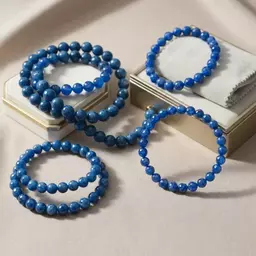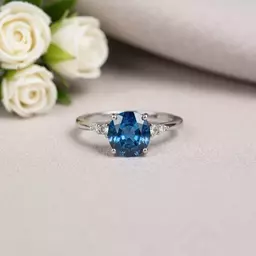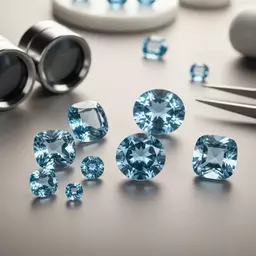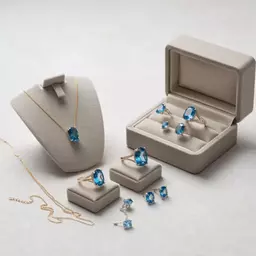

Have you ever felt overwhelmed while shopping for gemstones, unsure of which pieces are authentic? The world of lapis lazuli can be particularly tricky due to its history of misrepresentation. Here’s your chance to sharpen your skills and ensure you make informed purchases!
What You Will Learn
- Authentic lapis lazuli features a range of deep blue shades, often with a hint of violet and uniform color.
- Genuine stones have a smooth, slightly waxy texture without visible scratches or blemishes.
- The presence of pyrite and calcite inclusions can help identify authenticity and quality in lapis lazuli.
- UV light tests can reveal if lapis lazuli has been dyed; authentic stones will not fluoresce brightly.
- Seek certified stones from reputable sources to confirm authenticity and provenance.
- Ask vendors about the origin, treatments, and return policies of lapis lazuli before purchasing.
Key Characteristics and Authenticity Verification of Lapis Lazuli
Understanding the key characteristics of genuine Lapis Lazuli and how to verify its authenticity is crucial for any gemstone enthusiast. Below is a visual guide to help you identify and purchase authentic stones.
Recognizing Genuine Lapis Lazuli: Key Characteristics
Color Depth & Uniformity
Deep blue shades, often with violet hints. Uniform color indicates higher quality. Inconsistencies suggest lower quality.
Texture & Inclusions
Smooth, slightly waxy texture. Pyrite flecks are a sign of quality; excessive calcite (white spots) can reduce appeal.
Authenticity Verification Methods
UV Light Test for Dye
Authentic Lapis Lazuli will show subtle or no fluorescence. Bright glow under UV light indicates potential dye or treatment.
Certification & Vendor Research
Always ask for certification from reputable gemological institutions. Choose vendors transparent about sources and practices.
Pre-Purchase Checklist Questions
- ✓ What is the origin of the lapis lazuli? (e.g., Afghan)
- ✓ Can you provide certification or proof of authenticity?
- ✓ Are there any treatments or enhancements done to the stones?
- ✓ What is the return policy?
Understanding Authentic Lapis Lazuli Stones: What to Look For
Welcome to the vibrant world of lapis lazuli stones! As a passionate gemologist, I can tell you that understanding how to identify authentic lapis lazuli is crucial for any gemstone enthusiast. This beautiful blue stone, cherished for its deep color and rich history, can sometimes be misrepresented. Let's dive into the key characteristics that will help you recognize genuine lapis lazuli!
Recognizing Genuine Lapis Lazuli: Key Characteristics
To ensure you're purchasing a real lapis lazuli stone, pay attention to these key traits:
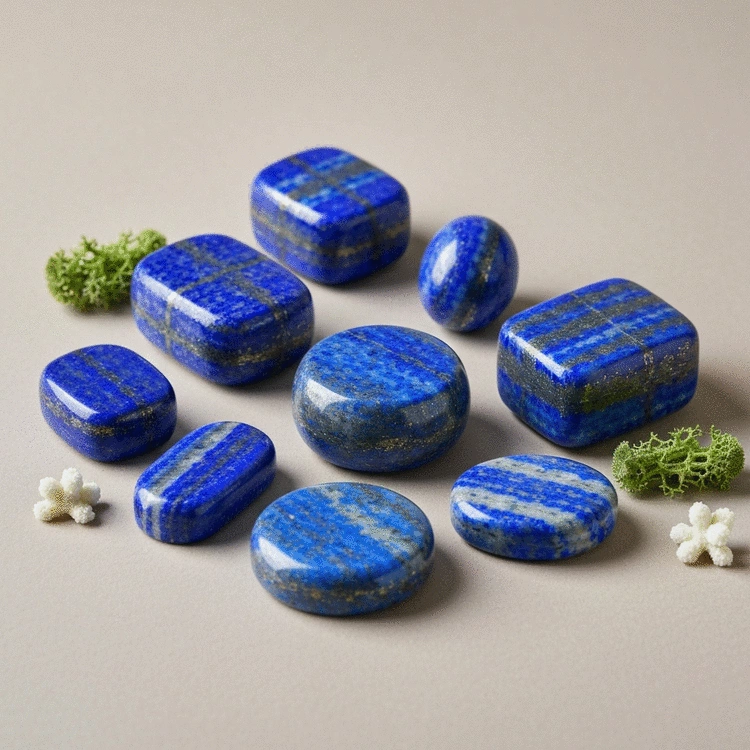
- Color Depth: Genuine lapis lazuli features a range of deep blue shades, often with a hint of violet. Look for stones with uniform color, as inconsistencies can indicate lower quality.
- Texture: Authentic stones are often smooth, with a slightly waxy texture without visible scratches or blemishes.
- User-Friendly Inclusions: The presence of inclusions, such as pyrite and calcite, can aid in identifying genuine stones!
Color Variations and Their Significance
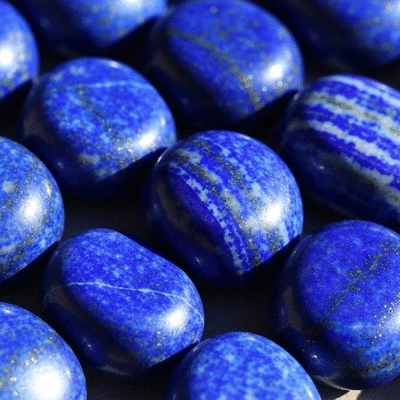
The intense blue of lapis lazuli is what draws many of us to it. Different color variations can signify various qualities and origins. For instance, a vivid blue with minimal calcite is usually more valuable. On the other hand, stones with more white calcite or patches of yellow pyrite may be less desirable. The Gemological Institute of America (GIA) offers comprehensive information on lapis lazuli quality factors, including color and inclusions, which can further guide your understanding.
Common Inclusions: Pyrite and Calcite
When inspecting lapis lazuli, keep an eye out for pyrite inclusions—these golden flecks are often seen as signs of quality. However, be cautious; too many inclusions may detract from the stone's beauty and value. Calcite, usually appearing as white or light spots, is more common but can also affect the stone's appeal! Research on mineralogical compositions, such as that detailed by scientific studies on lapis lazuli's properties, further explains how these inclusions are formed and impact the stone's appearance.
How to Verify Authenticity Before Purchase
Before making a purchase, it’s essential to verify the authenticity of your lapis lazuli stone. Here are a few methods to consider:
- UV Light Tests: Exposing the stone to UV light can reveal if it has been dyed. Authentic lapis lazuli will generally not fluoresce under UV light.
- Certification: Always ask for certification from reputable sources to ensure the stone's authenticity and provenance.
- Researching Vendors: Trustworthy vendors will gladly share information about their gemstone sources!
Using UV Light Tests for Dye Detection
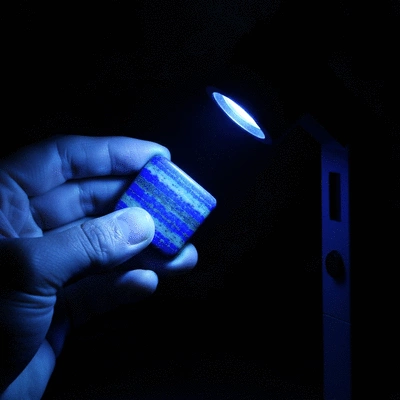
One effective way to check for dye in lapis lazuli is to use a UV light. If a stone glows brightly under UV light, it might be dyed or treated. Genuine lapis lazuli will typically show subtle fluorescence, if any. This simple test can save you from purchasing a less valuable piece! The principles behind using UV light for gem identification are also explored in various scientific literature, including studies indexed on PubMed related to optical properties of minerals.
Importance of Certification and Provenance
When investing in lapis lazuli, look for certified stones from respected gemological institutions. These certifications not only confirm the authenticity of the stone but also provide details about its origin, which can affect both its value and your personal connection to it.
Identifying Ethical Gemstone Vendors
Choosing the right vendor is crucial for ensuring you’re buying ethically sourced lapis lazuli. Look for vendors who prioritize transparency and sustainability in their mining practices. At Blue Jewelry Stones, we make it a priority to curate a collection of ethically sourced gemstones, allowing you to feel good about your purchase!
Pro Tip
When purchasing lapis lazuli, consider the stone's weight. Genuine lapis lazuli is relatively heavy due to its mineral composition. If a stone feels unusually light, it might be a synthetic or lower-quality version. Always hold a piece in your hand to assess its weight before making a decision!
Frequently Asked Questions About Lapis Lazuli
- What are the key characteristics of authentic lapis lazuli?
- Authentic lapis lazuli typically exhibits deep blue shades, often with violet hints, and uniform color. It should also have a smooth, slightly waxy texture.
- Do pyrite and calcite inclusions affect the authenticity of lapis lazuli?
- No, the presence of pyrite (golden flecks) and calcite (white spots) can actually help identify genuine lapis lazuli. Pyrite is often considered a sign of quality, while excessive calcite can reduce its appeal.
- How can I use a UV light test to check lapis lazuli?
- Under UV light, authentic lapis lazuli will generally show subtle or no fluorescence. A bright glow may indicate that the stone has been dyed or treated.
- Why is certification important when buying lapis lazuli?
- Certification from reputable gemological institutions confirms the stone's authenticity and provides details about its origin, which can influence its value and ensure you are making an informed purchase.
- What questions should I ask a vendor before purchasing lapis lazuli?
- It's advisable to ask about the stone's origin, whether certification can be provided, if any treatments or enhancements have been applied, and what the return policy is. Inquiring about customer reviews is also helpful.
Making an Informed Purchase: Summary and Next Steps
Purchasing authentic lapis lazuli can be an exciting yet daunting experience. To ensure you make a wise investment, it’s essential to gather all the necessary information before making your purchase. To help you navigate this process, I’ve put together a handy checklist that addresses key aspects you should consider! Let’s dive in!
Checklist Before Buying Authentic Lapis Lazuli
When seeking genuine lapis lazuli stones, it's crucial to ask the right questions. Here’s a quick checklist to guide your conversations with retailers and wholesalers:
- What is the origin of the lapis lazuli? (Afghan vs. others)
- Can you provide certification or proof of authenticity?
- Are there any treatments or enhancements done to the stones?
- What is the return policy in case I’m not satisfied?
- Do you have reviews or testimonials from previous customers?
Asking these questions can not only help you identify a trustworthy source but also enhance your understanding of the product you’re buying!
Join Our Community for Further Insights
At Blue Jewelry Stones, we believe in fostering a community of gemstone enthusiasts. By connecting with us, you can stay updated about authentic lapis lazuli sources and much more. Here are a few ways you can get involved:
Subscribe for Updates on Authentic Lapis Lazuli Sources
Don’t miss out on any important updates! By subscribing to our newsletter, you’ll receive the latest information on where to find genuine lapis lazuli, tips on caring for your gemstones, and exciting new arrivals in our collection!
Share Your Experiences: Testimonials and Reviews
Your voice matters! If you’ve had experiences purchasing lapis lazuli—whether positive or negative—we’d love to hear your stories. Sharing your insights not only helps us improve but also aids fellow gemstone lovers in making informed decisions.
Engaging with Online Gemstone Communities for Support
Connecting with like-minded individuals can greatly enhance your gemstone journey. Consider joining online forums or social media groups focused on gemstones. These communities are treasure troves of knowledge where you can seek advice, share your thoughts, and even showcase your beautiful lapis lazuli pieces!
Remember, buying lapis lazuli is not just about the stone; it’s about embracing the rich history and culture behind it! With the right information and community support, you’ll surely find the perfect piece to cherish. Happy gemstone hunting!
Recap of Key Points
Here is a quick recap of the important points discussed in the article:
- Color Depth: Look for deep blue shades with uniformity, as inconsistencies may indicate lower quality.
- Texture: Authentic lapis lazuli should have a smooth, slightly waxy texture without visible scratches.
- Inclusions: Pyrite inclusions are often seen as signs of quality, while excessive calcite can detract from the stone's value.
- UV Light Tests: Use UV light to check for dye; genuine stones will not fluoresce brightly.
- Certification: Always request certification from reputable sources to confirm authenticity and provenance.
- Research Vendors: Choose vendors that prioritize transparency and ethical sourcing practices.