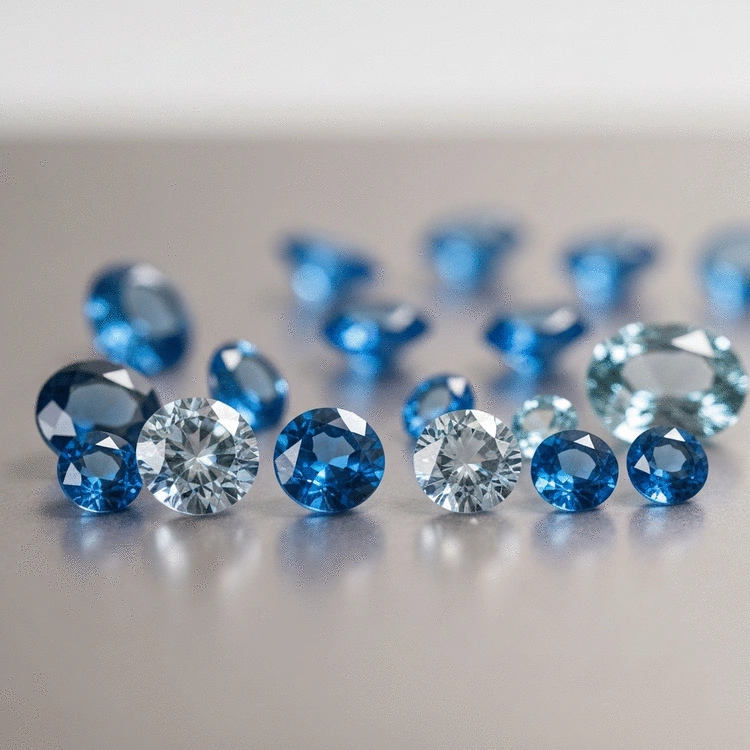

In the world of gemstones, understanding the value of blue stones is essential for any enthusiast. Did you know that factors like rarity and quality can dramatically affect a gemstone's market value? As you navigate the landscape of blue gemstones, equip yourself with knowledge that will empower your purchasing decisions.
What You Will Learn
- The price of blue gemstones is primarily influenced by rarity, quality, and market demand.
- Understanding the 4Cs (Color, Clarity, Cut, Carat weight) is essential for assessing value.
- Blue diamonds and tanzanite command high prices due to their exceptional rarity.
- Certifications from gemological laboratories are crucial for ensuring the authenticity and quality of gemstones.
Factors Influencing Blue Gemstone Value
The value of blue gemstones is primarily driven by rarity, quality, and market demand. Below is a comparative analysis of these key factors.
Rarity: The Less Common, The Higher the Price
Blue Diamonds are extremely rare (millions at auction). Tanzanite is limited to Tanzania. Lapis Lazuli is unique but less expensive than sapphires.
Quality: The 4Cs (Color, Clarity, Cut, Carat)
Vibrant, saturated blue sapphires with minimal inclusions command higher prices. Deep royal blue is most desirable.
Market Demand & Certification
Trends influence prices. Certifications verify authenticity and quality (natural vs. treated), protecting investment.
Understanding the Value of Blue Gemstones in Today’s Market
As a passionate gemologist, I love explaining the intricacies of blue gemstones and their value in today's market. When it comes to understanding the price of these captivating stones, various factors come into play. In particular, blue sapphires often capture attention for their stunning hues and rich history, making them a prime example of what determines gemstone prices. Let’s dive into what truly influences these values!
Several key elements determine the pricing of blue gemstones, which include:
- Rarity: The less common the stone, the higher the price.
- Quality: Factors such as color saturation, clarity, and overall visual appeal significantly impact price.
- Market Demand: Trends and consumer interest can influence prices dynamically.
By understanding these factors, you can make informed decisions when considering a purchase of blue gemstones.
What Determines the Price of Blue Gemstones?
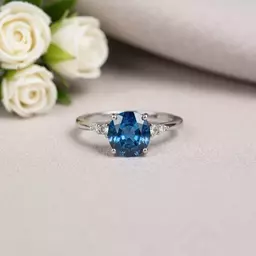
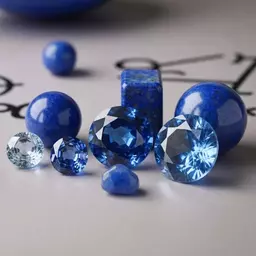
The price of blue gemstones, particularly blue sapphires, is influenced by a combination of quality and market dynamics. When assessing a stone, its 4Cs—color, clarity, cut, and carat weight—play a crucial role in establishing value. A vibrant, highly saturated blue sapphire with minimal inclusions will command a higher price than a lighter or cloudier stone.
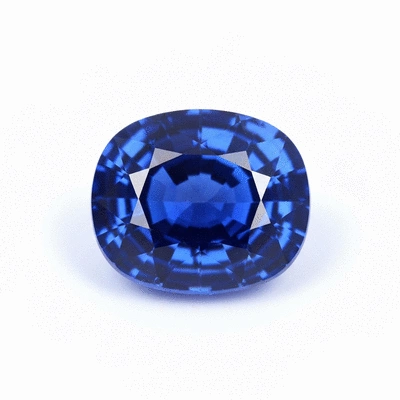
For example, a deep royal blue sapphire is more desirable and thus more valuable compared to a lighter shade. This emphasis on quality is vital for any gemstone enthusiast looking to invest in blue gemstones, as it can significantly affect resale value.
Exploring the Rarity of Blue Gemstones: A Comparative Analysis
Rarity is a critical factor in determining the value of blue gemstones. Blue diamonds and tanzanite are two notable examples where rarity plays a significant role. While sapphires are widely available, blue diamonds are exceptionally rare, leading to their high market values.
Let's take a look at some key points regarding the rarity of various blue gemstones:
- Blue Diamonds: Extremely rare and often sell for millions at auction.
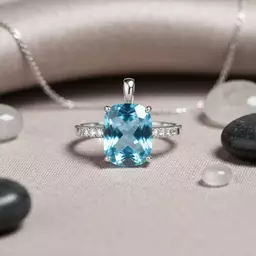
- Tanzanite: Found only in Tanzania, making it a sought-after gem due to its limited supply.
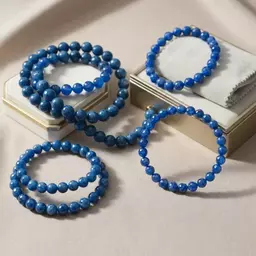
- Lapis Lazuli: Though not as expensive as sapphires or diamonds, its uniqueness adds to its charm and collectible nature.
Understanding these comparisons will help you appreciate the market values of blue gemstones. As a gem enthusiast, knowing the rarity can guide your choices in selecting a piece that resonates with your personality and investment goals.
Pro Tip
When purchasing blue gemstones, always request a certification from a reputable gemological laboratory. This certification not only verifies the authenticity of the gemstone but also provides essential details about its quality and any treatments it may have undergone. Having this information can significantly enhance your confidence in your investment!
Making Informed Purchases: A Guide for Buyers
Buying a blue gemstone can be an exciting journey, but it’s essential to be informed! At Blue Jewelry Stones, we want to ensure you feel confident in your choices. One of the first questions you might have is about certifications—what they mean and why they matter.
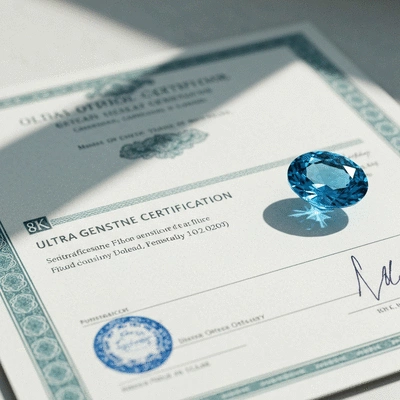
Certifications from reputable gemological laboratories provide assurance of a gemstone's quality and authenticity. For instance, certificates indicate whether a sapphire is natural or treated, which can significantly influence its value. Always look for stones that come with certification, as it protects your investment and provides peace of mind!
User FAQs: Certification and Buying Tips
Here are some frequently asked questions to help you navigate the world of blue gemstones:
- What factors primarily influence the value of blue gemstones? Rarity, quality (the 4Cs), and market demand are the primary factors.
- Why are blue diamonds so expensive? Blue diamonds are exceptionally rare, leading to their high market values.
- What are the "4Cs" in relation to gemstone value? The 4Cs refer to Color, Clarity, Cut, and Carat weight, all of which significantly impact a gemstone's price.
- Why is certification important when buying a blue gemstone? Certification from a reputable gemological laboratory verifies the authenticity, quality, and any treatments of a gemstone, protecting your investment.
- Where is Tanzanite found, and how does this affect its value? Tanzanite is found only in Tanzania. Its limited geological supply makes it a sought-after and valuable gem.
The Role of Gemstone Appraisal in Determining Value
Another important step in the buying process is understanding the role of gemstone appraisals. These appraisals provide an expert’s opinion on the value of your gemstone, considering factors like the 4Cs—Color, Clarity, Cut, and Carat weight—alongside market trends.
Having a gemstone appraisal can be crucial when buying or selling a piece. It gives you a solid understanding of what you own and can help you make informed decisions about potential resale. At Blue Jewelry Stones, we recommend getting an appraisal from a certified gemologist to ensure accuracy and credibility. Understanding the broader governance of the gemstone sector can also provide valuable context for your investment decisions.
Recap of Key Points
Here is a quick recap of the important points discussed in the article:
- Rarity: The less common the blue gemstone, the higher its price, with blue diamonds being exceptionally rare.
- Quality: The 4Cs—color, clarity, cut, and carat weight—are essential for determining the value of blue gemstones.
- Market Demand: Trends and consumer interest can significantly influence the pricing of blue gemstones.
- Certifications: Always look for certified gemstones to ensure quality and authenticity, impacting their value and your investment.
- Appraisals: Getting a professional appraisal helps in understanding the value of your gemstone based on current market trends.