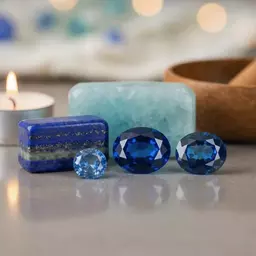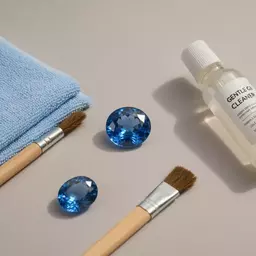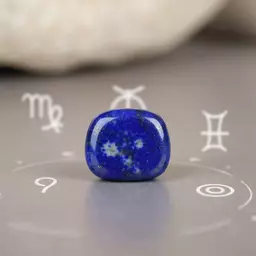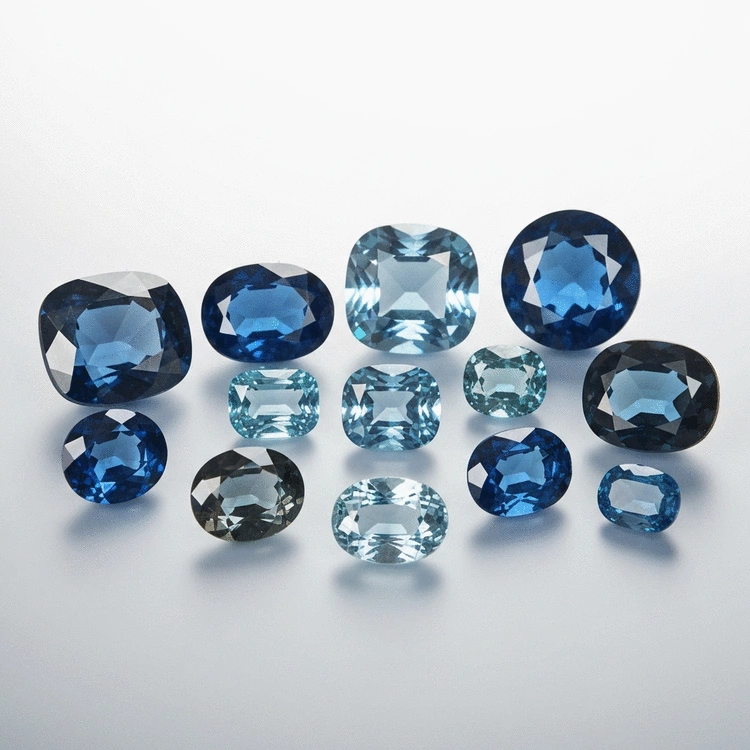

When evaluating blue gemstones, it’s essential to understand the nuances of color intensity. A captivating statistic reveals that gemstones with vibrant colors can command prices significantly higher than their lighter counterparts. This insight not only emphasizes the importance of color in gems but also invites you to explore the qualities that make each stone unique.
What You Will Learn
- Color intensity is a major factor in determining the value of blue gemstones.
- Three key components—hue, tone, and saturation—shape the overall appeal of a gemstone.
- A pure, vivid hue with high saturation is typically considered the most desirable in blue gemstones.
- Market trends influence the desirability of certain colors, making it important to stay informed.
Understanding Gemstone Color Components
The quality and value of blue gemstones are significantly influenced by their color intensity. This visual breaks down the three key components—hue, tone, and saturation—that determine a gemstone's overall appearance and desirability.
Key Elements Influencing Gemstone Color Intensity
Hue: The Gemstone's Core Color
Refers to the actual color (e.g., blue, green). For blue gems, a pure, vibrant blue is ideal.
Tone: Lightness or Darkness
Describes how light or dark the color is, impacting the overall visual appearance.
Saturation: Purity and Vividness
Measures the intensity and purity of the color; highly saturated gems are more vivid and desirable.
Understanding Color Intensity in Natural Blue Gemstones
When it comes to blue gemstones, color intensity is a key player in determining their quality and desirability. As a gemologist and jewelry enthusiast, I've seen firsthand how the depth and richness of color can significantly impact both the beauty of the stone and its market value. A gemstone with a vibrant, intense blue is not just more attractive; it often commands a higher price due to its rarity and appeal.
The significance of color intensity lies in its ability to evoke emotion and create a connection. For many, a stunning sapphire or aquamarine represents not just beauty, but also personal meaning and memories. Understanding how color intensity influences a gemstone's value can empower you as a buyer, helping you make informed decisions when selecting your perfect piece. To learn more about various blue gemstones, explore this list of blue gemstones.
The Significance of Color Intensity in Gemstone Quality
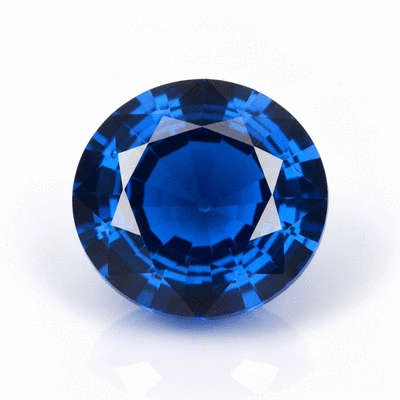
Color intensity can be broken down into three primary components: hue, tone, and saturation. Each of these factors plays a vital role in how we perceive and evaluate a gemstone. To help you grasp the importance of these elements, here’s a quick breakdown:
- Hue: This refers to the actual color of the gemstone, such as blue, green, or yellow. For blue gemstones, the hue should ideally be a pure, vibrant blue.
- Tone: Tone describes the lightness or darkness of the color. Gemstones can range from very light to very dark shades, affecting their overall appearance.
- Saturation: Saturation measures the purity of the color. A highly saturated gemstone will display a more vivid and intense color, making it more desirable.
Each of these components impacts the overall value and appeal of a gemstone. For instance, a vivid blue sapphire with high saturation and a pure hue is often considered the most desirable. The Gemological Institute of America (GIA) provides comprehensive information on color grading blue sapphires, which further emphasizes the importance of these factors. Understanding these components can enhance your appreciation of blue gemstones and guide you during your selection process.
Key Components of Gemstone Color Evaluation
To further explore how color intensity affects blue gemstones, let's delve into the interaction between hue, tone, and saturation. These three components work together to create the gemstone's overall appearance.
When assessing a gemstone, consider how these elements complement each other. A gemstone may possess a beautiful hue but lack saturation or the ideal tone, thus diminishing its value. As someone who enjoys sharing knowledge about blue gemstones at Blue Jewelry Stones, I always encourage buyers to critically evaluate these characteristics before making a purchase. For a deeper dive into the world of blue gemstones, including various types and their characteristics, you can consult resources like Geology.com's guide to blue gemstones.
Comparative Analysis of Blue Gemstone Varieties
Now that we've discussed the foundational aspects of color intensity, let's take a closer look at some popular blue gemstone varieties. Each type has its own unique color characteristics and grading systems that influence their value.
Pro Tip
When selecting a blue gemstone, always prioritize saturation. A stone with high saturation will not only captivate the eye but also retain its value over time. Look for gemstones that exhibit a vivid and intense color, as they often make the best investment!
Frequently Asked Questions About Blue Gemstone Color Intensity
Summarizing Key Insights on Blue Gemstone Color Intensity
Understanding color intensity is essential for anyone passionate about blue gemstones. It plays a vital role in determining both the quality and value of these stunning stones. The deeper the color intensity, the more desirable and valuable the gemstone typically is, as it enhances the overall visual appeal and uniqueness of each piece.
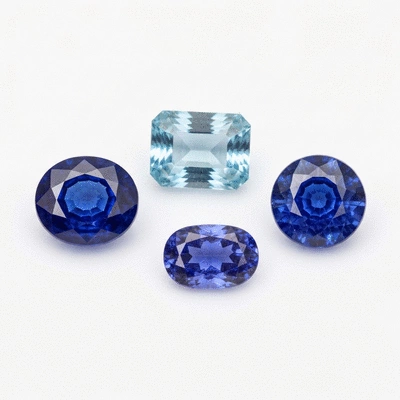
As we explored earlier, factors such as hue, tone, and saturation contribute significantly to how we perceive these gems. By grasping these concepts, you can better appreciate the nuances that make blue gemstones truly special. Remember, a well-understood color intensity not only enhances your appreciation but also provides insights into the potential investment value of your gems.
- Color intensity impacts value: The more intense the color, the higher the price.
- Hue and tone matter: These factors affect the overall appearance and desirability.
- Market trends can change: Staying informed about color preferences can guide your purchasing decisions.
At Blue Jewelry Stones, my aim is to equip you with the knowledge necessary to navigate the beauty and intricacies of blue gemstones. Whether you're collecting or seeking the perfect piece for a special occasion, understanding color intensity is your first step!
Call to Action: Making Informed Purchases in the Gemstone Market
Now that you have a solid grasp of how color intensity influences blue gemstones, it’s time to put this knowledge into action! When you're ready to make a purchase, always consider the intensity levels of the stones you're interested in. A careful evaluation will ensure you choose a gemstone that not only resonates with you but also holds value over time.
As you explore your options, remember to ask questions about the gemstone's origin, treatment, and characteristics. This information will enhance your buying experience and help you make an informed decision. Don’t hesitate to reach out if you need assistance or have any questions—I'm here to help you find that perfect blue gem!
Further Reading and Resources
For those eager to dive deeper into the world of blue gemstones, here are some valuable resources to explore:
- Gemstone Guide: Understanding Blue Gems
- Caring for Your Gemstones
- Current Jewelry Trends Featuring Blue Gemstones
These links will guide you through various aspects of blue gemstones, from care tips to market trends and educational insights. Happy learning, and may your journey with blue gemstones be as vibrant and rich as their colors!
Recap of Key Points
Here is a quick recap of the important points discussed in the article:
- Color intensity impacts value: The more intense the color, the higher the price.
- Hue and tone matter: These factors affect the overall appearance and desirability of blue gemstones.
- Saturation is key: Highly saturated gemstones display more vivid and intense colors, making them more desirable.
- Evaluate carefully: Consider how hue, tone, and saturation complement each other when selecting a gemstone.
- Stay informed: Market trends can change, so staying updated on color preferences can guide your purchasing decisions.