
Have you ever marveled at the diverse beauty of blue gemstones? Each gem tells a story of its rarity and value. Discover how to appreciate these natural treasures and make informed choices as a collector!
What You Will Learn
- Rarity in blue gemstones is influenced by geological formation, natural occurrence, and market demand.
- Color quality, including saturation, hue, and clarity, significantly affects the market value of a gemstone.
- The geological origin of gemstones, such as location and mining conditions, plays a crucial role in their desirability.
- Understanding the nuances of blue gemstones can enhance your appreciation and support informed investment decisions.
Factors Defining Blue Gemstone Value and Rarity
Delve into the key elements that determine the rarity and market value of blue gemstones, from geological formation to color quality and origin.
Primary FactorWhat Defines Rarity?
- Geological Formation: Unique conditions deep within Earth.
- Natural Occurrence: Gemstone location affects availability.
- Market Demand: Popularity influences rarity and value.
Key AspectColor Quality Impact
- Saturation: Intensity or purity of color.
- Hue: Specific shade of blue.
- Clarity: Absence of inclusions or blemishes.
Crucial FactorGeological Origin
- Source Location: Mines known for high quality.
- Mining Conditions: Difficulty of extraction.
- Historical Significance: Storied past enhances appeal.
Understanding Blue Gemstones: Rarity and Value Insights for Collectors
Welcome to the fascinating realm of blue gemstones! Understanding their rarity and value is essential for any collector. Whether you’re drawn to the deep blue of a sapphire or the serene hues of aquamarine, knowing what makes these stones unique can enhance your appreciation and investment. A gemstone is a mineral crystal which, when cut and polished, is used to make jewelry or other adornments.
Rarity in gemstones is determined by a combination of geological factors, such as their formation process and natural occurrence. Some stones are exceptionally rare due to specific environmental conditions needed for their creation. In this section, we will delve deeper into what defines the rarity of blue gemstones.
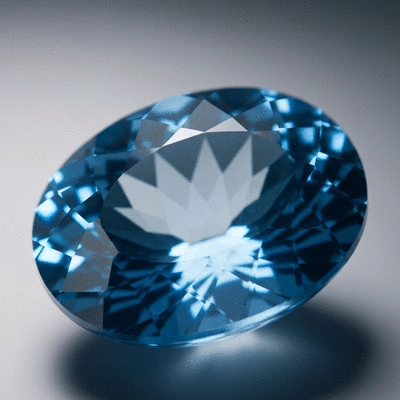
What Defines Rarity in Blue Gemstones?
Several factors contribute to the rarity of blue gemstones:
- Geological Formation: Certain blue gemstones form under unique conditions deep within the Earth, making them scarce.
- Natural Occurrence: The location where a gemstone is found can significantly affect its availability. For example, some gems may be exclusive to specific regions.
- Market Demand: As the popularity of certain gemstones increases, their rarity can further influence value.
Understanding these factors can empower you as a collector, helping you make informed choices about your acquisitions. With years of experience in the jewelry industry, I’ve seen how the rarity of a gemstone can captivate collectors and enthusiasts alike!
The Impact of Color Quality on Value
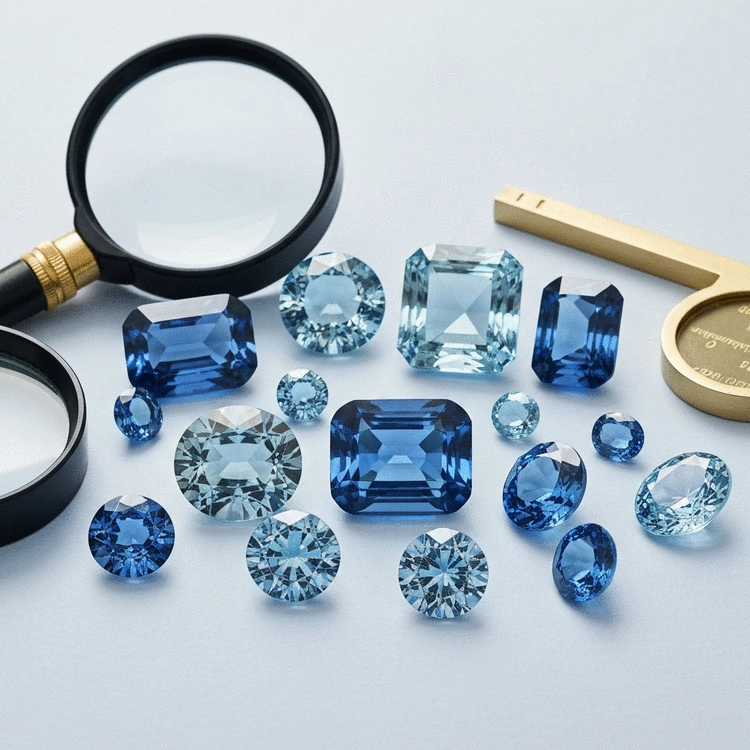
The color quality of blue gemstones plays a pivotal role in determining their market value. A gemstone’s color saturation, hue, and clarity significantly influence how much it’s worth. For instance, a deep blue sapphire with vivid saturation can command a higher price compared to a lighter hue. For a stunning example of exceptional color, consider the blue diamond, known for its extraordinary rarity and intense blue coloration.
Here are the key aspects of color quality that affect value:
- Saturation: The intensity or purity of the color. The more vibrant the color, the more valuable the gemstone.
- Hue: The specific shade of blue. Different hues can appeal to various collectors based on personal preference.
- Clarity: The absence of inclusions or blemishes. Clear stones are generally more prized.
As you explore blue gemstones, remember that color quality can set a piece apart in both beauty and market value. At Blue Jewelry Stones, we aim to guide you in recognizing these nuances!
Geological Origin and Its Role in Value Assessment
The geological origin of blue gemstones is another crucial factor in their rarity and value. For example, sapphires from Kashmir are historically renowned for their rich color and have become highly sought after. Similarly, aquamarines from Brazil are prized for their clarity and beautiful blue tones. The mineral information regarding specific gemstone origins, such as those found in the Mindat.org database, provides valuable insights into their formation and geographical distribution.
Consider these aspects when evaluating blue gemstones:
- Source Location: Certain mines are known for producing exceptionally high-quality stones, affecting their market desirability.
- Mining Conditions: The difficulty of extraction and the ethical implications of sourcing can also influence a gemstone's value.
- Historical Significance: Some gemstones have a storied past, which can enhance their appeal to collectors.
As a passionate gemologist, I believe that understanding a gemstone's geological origin not only informs its value but also connects us to the beauty of nature and the countless journeys these stones have taken.
Frequently Asked Questions About Blue Gemstones
- What factors determine the rarity of blue gemstones?
- Rarity is primarily influenced by geological formation, natural occurrence (where they are found), and market demand.
- How does color quality affect a blue gemstone's value?
- Color quality, including saturation (intensity), hue (specific shade), and clarity (absence of inclusions), significantly impacts the gemstone's market value. More vibrant and clearer stones are generally more valuable.
- Why is geological origin important for blue gemstones?
- The geological origin, such as the specific mine or region, can affect a gemstone's desirability and value due to the quality of stones typically found there, mining conditions, and historical significance.
- What are some tips for starting a blue gemstone collection?
- Begin by researching different types of blue gemstones and their characteristics. Set a budget, seek out trusted sources for authentic pieces, and engage with other gemstone enthusiasts to learn and share knowledge.
- Do blue gemstones make good investments?
- While this article does not offer financial advice, understanding the factors of rarity and value can help you make informed decisions. The value of blue gemstones, like other collectibles, can be influenced by demand and limited supply.
Did You Know?
According to a recent study, the value of blue gemstones has increased by over 30% in the past five years, driven by rising demand and limited supply. This makes now an excellent time to consider investing in these stunning natural treasures!
Final Thoughts on Collecting Blue Gemstones
As we wrap up our exploration of blue gemstones, it’s important to reflect on the key insights surrounding their rarity, value, and collection strategies. Each blue gemstone has its own unique story, whether it’s the deep allure of a sapphire or the serene tones of aquamarine. Understanding these elements not only enhances your appreciation but also helps you make informed decisions as a collector!
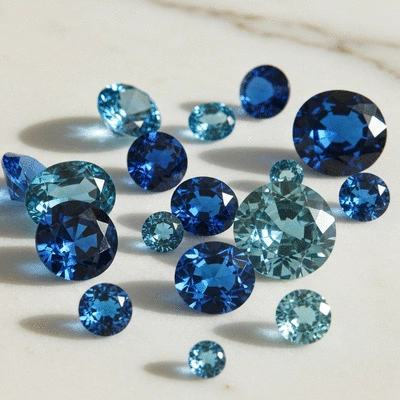
Collectors are often drawn to the beauty and symbolism of these stones. By recognizing the market dynamics and the factors influencing value, you’ll be better positioned to build a collection that resonates with both your taste and investment goals. So, whether you're just starting out or looking to refine your existing collection, there’s always room for growth!
Call to Action: Start Your Blue Gemstone Collection Today
Are you ready to dive into the world of blue gemstones? I encourage you to take the first step by exploring the captivating pieces available at Blue Jewelry Stones. Here are some tips to help you get started:
- Research: Familiarize yourself with different types of blue gemstones and their characteristics.
- Set a Budget: Determine how much you’re willing to invest in your collection, keeping in mind that quality matters.
- Visit Trusted Sources: Look for reputable online platforms, like Blue Jewelry Stones, where you can find authentic pieces.
- Join Communities: Engage with other gemstone enthusiasts to share experiences, tips, and knowledge.
By following these steps, you’ll be on your way to discovering the enchanting world of blue gemstones. Remember, each piece you collect is not just an investment; it’s a timeless treasure that tells a story, much like your own journey in the captivating world of blue jewelry!
Recap of Key Points
Here is a quick recap of the important points discussed in the article:
- Understanding Rarity: Rarity is influenced by geological formation, natural occurrence, and market demand.
- Color Quality: Factors such as saturation, hue, and clarity significantly affect the value of blue gemstones.
- Geological Origin: The source location and mining conditions can greatly impact a gemstone's desirability and value.
- Starting Your Collection: Research different types of blue gemstones, set a budget, and engage with trusted sources and communities.