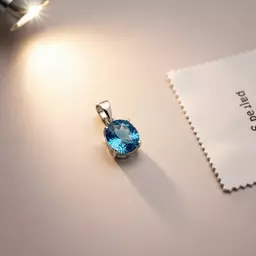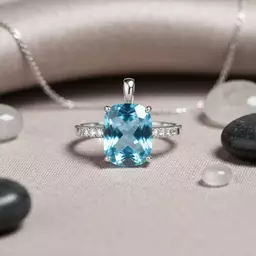

Did you know that the beauty of blue gemstones can fade over time due to various factors? Understanding how to care for them is essential to maintain their allure. Let’s delve into key insights that can help you keep your treasured pieces shining brightly.
What You Will Learn
- Dullness in blue gemstones is often caused by environmental exposure, dirt, and improper cleaning techniques.
- Identifying the specific type of blue gemstone is crucial for effective cleaning and maintenance.
- Regular inspections of your gemstone settings can prevent potential loss or damage.
- Knowing when to seek professional help can save your gemstones from costly mistakes and ensure proper care.
- Establishing a routine for cleaning and caring for your gemstones can significantly extend their beauty and lifespan.
Blue Gemstone Care & Hardness Overview
Understanding gemstone properties and care is crucial for maintaining their brilliance. Here's a quick look at common blue gemstones by their Mohs hardness and recommended cleaning frequency.
Understanding Dullness in Blue Gemstone Jewelry
As a dedicated gemologist, I've often encountered the perplexing issue of dullness in blue gemstone jewelry. Whether it's a cherished sapphire or a stunning aquamarine, a lackluster appearance can be disappointing! Let's explore the reasons behind this dullness and how to identify the specific types of blue gemstones in your collection.
What Causes Dullness in Blue Gemstones?
Dullness in blue gemstones can arise from several factors. Environmental exposure is a primary culprit; dust, dirt, and oils from our skin can accumulate over time, making the gems appear cloudy. Additionally, improper storage and cleaning techniques can lead to a buildup of grime that detracts from the stone's natural beauty.
Another reason could be the gemstone's inherent properties. Some blue stones are more prone to scratching or fading than others. Understanding these factors helps you maintain their luster, ensuring they remain dazzling in your jewelry collection.
- Accumulation of dirt and oils
- Improper cleaning methods
- Environmental exposure
- Inherent properties of the gemstone
Identifying the Type of Blue Gemstone
Before restoring your blue gemstone's shine, it's vital to know what type of stone you're dealing with. Each gemstone has its unique characteristics, which influence how you should clean and care for them. At Blue Jewelry Stones, we specialize in various blue gemstones, including sapphire, aquamarine, and more! For a comprehensive guide on different types, you can explore resources like GemSelect's list of blue gemstones.
Common Blue Gemstone Types and Their Properties
Here's a quick overview of some popular blue gemstones and their defining features:
- Sapphire: Known for its durability and rich color, it's a symbol of loyalty and nobility.
- Aquamarine: This stone embodies tranquility and clarity, often associated with the sea.
- Blue Topaz: With its vibrant hues, blue topaz is often linked to love and affection.
- Lapis Lazuli: Valued for its deep celestial blue and historical significance, it's often used in artistic designs.
- Tanzanite: Famous for its stunning blue-violet color, it’s a relatively recent discovery.
Understanding the Mohs Hardness Scale for Blue Gemstones
It’s essential to consider the Mohs hardness scale when evaluating your gemstones. The scale ranges from 1 (talc) to 10 (diamond) and helps determine how resistant a stone is to scratching. For example, sapphires and tanzanites rank at an impressive 9, making them quite durable, while others like lapis lazuli rank lower at around 5.5. This scale is an invaluable tool for understanding gemstone durability, as highlighted by the Gemological Institute of America's insights on blue gemstones.
Knowing this information allows you to choose the appropriate cleaning techniques and avoid damaging your cherished blue gemstones. This awareness ensures your jewels maintain their allure for years to come!

Interactive Poll: Your Gemstone Care Preferences
We want to know! How do you prefer to care for your blue gemstone jewelry? Select your favorite method:
Choosing Professional Help When DIY Fails
Sometimes, despite our best efforts, DIY cleaning just doesn’t cut it! If your stunning blue gemstone jewelry still looks dull after your attempts to revive its shine, it might be time to consider professional help. Choosing the right moment to seek professional polishing services can make a significant difference in preserving the beauty of your gems.
Here are some key indicators that can help you decide when to take that step:
- If you've tried cleaning multiple times without success.
- When you notice scratches or damage that DIY methods can’t fix.
- If your gemstone has become cloudy internally, not just on the surface.
- When you're unsure of the specific cleaning needs of your stone.
Let’s face it, some gemstones are delicate and require specialized techniques. Seeking assistance from a professional ensures you get the right care for your beautiful stones!
Understanding the Risks of DIY Repairs
While I love the thrill of a good DIY project, sometimes it can lead to unexpected issues. We all want to save a few bucks, but there are risks involved with trying to restore your blue gemstones at home. Using the wrong cleaning solutions or techniques can actually cause more harm than good!
Here are some common risks associated with DIY repairs:
- Scratching the surface of the stone.
- Using harsh chemicals that can damage the gemstone.
- Misidentifying the type of stone, leading to inappropriate care.
- Potentially voiding any warranties or guarantees.
It’s always better to err on the side of caution and let the experts handle your precious pieces when in doubt!
When to Consult a Gemologist for Professional Cleaning
As a gemologist, I can assure you that knowing when to consult a professional can save you from costly mistakes. If your blue gemstone jewelry is particularly valuable or has sentimental significance, seeking help from a qualified gemologist is a wise choice.
Consider reaching out to a professional when you experience any of the following:
- Severe cloudiness that doesn’t clear with basic cleaning.
- Visible inclusions or internal features that need assessment.
- Any signs of wear on the setting or stone.
- Uncertainty about the gemstone’s treatment and specific care needs.
At Blue Jewelry Stones, we always recommend erring on the side of caution when it comes to these beauties!

Maintaining the Luster of Your Blue Gemstone Jewelry
Once you've restored your blue gemstones to their former glory, it’s crucial to maintain their luster. Regular care and attention can prevent dullness from creeping back in. Here are some tips to keep your gems shining brightly!
Routine Care Tips to Prevent Dullness
Establishing a simple routine can make a world of difference. By incorporating regular care into your jewelry-wearing habits, you can keep that dazzling shine alive! Here are some practical tips I like to share:
- Clean your gemstones after each wear.
- Store your jewelry separately to prevent scratches.
- Apply lotions and perfumes before putting on your jewelry.
- Regularly inspect settings for any signs of wear or loosening.
By following these simple practices, you can preserve the beauty and brilliance of your blue gemstone jewelry for years to come.
The Importance of Regular Inspections for Settings
Just like you would check the brakes in your car, inspecting your gemstone settings is crucial. Loose stones or damaged prongs can lead to a lost gem, which is something we all want to avoid. Make it a habit to inspect your jewelry regularly, focusing on:
- Checking for any movement of the gemstone within its setting.
- Looking for wear or stress on the mounting.
- Ensuring clasps and fasteners are secure.
Regular inspections help you catch potential issues before they become problems!
Jewelry Storage Techniques to Prevent Damage
How you store your blue gemstones can greatly affect their longevity. Proper storage not only helps prevent scratches but also keeps them from getting tangled or damaged. Here are some effective storage techniques:
- Use soft pouches or separate compartments for each piece.
- Keep your jewelry away from direct sunlight to avoid fading.
- Store in a cool, dry place to prevent moisture build-up.
Following these guidelines means less worry and more time admiring your stunning pieces!
Cleaning Frequency Recommendations for Different Gemstone Types
Lastly, how often you should clean your blue gemstones can vary based on their type and the environmental factors they encounter. Here’s a quick guide:
- Sapphire: Clean every 2-3 weeks.
- Aquamarine: Every 2 weeks, especially if worn often.
- Tanzanite: Monthly cleaning is usually sufficient.
- Information on various blue gemstones and their care can also be found at Gem Rock Auctions.
Keeping track of your cleaning schedule will keep your gems sparkling and ready for any occasion!
Your Next Steps to Restore Dull Gemstone Jewelry
Now that we’ve explored effective cleaning techniques and maintenance strategies, it’s time to take action! Remember, restoring the shine of your blue gemstone jewelry involves not just cleaning but also taking care of your pieces regularly. With the right approach, your gems can look as beautiful as the day you bought them!
Summary of Key Techniques for Reviving Shine
In summary, here are the key techniques we've covered:
- Soak in mild soapy water and scrub gently.
- Rinse and dry with care to protect your gems.
- Seek professional help when DIY fails.
- Implement routine care and storage practices.
These steps will help ensure your blue gemstones remain dazzling and cherished.
Encouragement to Share Experiences or Ask Questions
I’d love to hear about your experiences with cleaning and maintaining your blue gemstone jewelry! If you have any questions or tips to share, please don’t hesitate to reach out. At Blue Jewelry Stones, we are here to support your journey in appreciating and caring for these beautiful treasures!
Recap of Key Points
Here is a quick recap of the important points discussed in the article:
- Dullness in blue gemstones can be caused by environmental exposure, dirt accumulation, and improper cleaning techniques.
- Identify the type of blue gemstone to determine the best cleaning and care methods.
- Routine care includes cleaning after each wear, proper storage, and regular inspections of settings.
- Seek professional help if DIY cleaning fails or if you're unsure about proper care for your gemstones.
- Understanding the Mohs hardness scale can guide you in choosing appropriate cleaning techniques.
Frequently Asked Questions About Blue Gemstone Care
- Q: Why do blue gemstones become dull over time?
- A: Blue gemstones can become dull due to environmental exposure, accumulation of dust, dirt, and oils from the skin, and improper cleaning or storage techniques. Some stones are also more prone to scratching or fading.
- Q: How important is it to identify the type of blue gemstone before cleaning?
- A: It is crucial. Each blue gemstone has unique properties, including its hardness on the Mohs scale, which dictates the appropriate cleaning methods and care to prevent damage.
- Q: What are some common blue gemstones and their hardness levels?
- A: Common blue gemstones include Sapphire (Mohs 9), Aquamarine (Mohs 7.5-8), Blue Topaz (Mohs 8), Tanzanite (Mohs 6-7), and Lapis Lazuli (Mohs 5-6).
- Q: When should I consider professional cleaning for my blue gemstone jewelry?
- A: You should consider professional help if DIY cleaning attempts consistently fail, if you notice scratches or internal cloudiness, if the gemstone is particularly valuable or sentimental, or if you are uncertain about its specific care needs.
- Q: What are the risks of attempting DIY repairs on blue gemstones?
- A: Risks include scratching the stone's surface, using harsh chemicals that can cause damage, misidentifying the stone type leading to inappropriate care, and potentially voiding warranties.
- Q: What routine care tips can help maintain the luster of blue gemstones?
- A: Routine care includes cleaning gemstones after each wear, storing jewelry separately in soft pouches or compartments, applying lotions and perfumes before wearing jewelry, and regularly inspecting settings for wear or looseness.
- Q: How often should different types of blue gemstones be cleaned?
- A: Cleaning frequency varies: Sapphires every 2-3 weeks, Aquamarines every 2 weeks (especially if worn often), and Tanzanites monthly. Lapis Lazuli should be cleaned as needed, and Blue Topaz every 2-3 weeks.